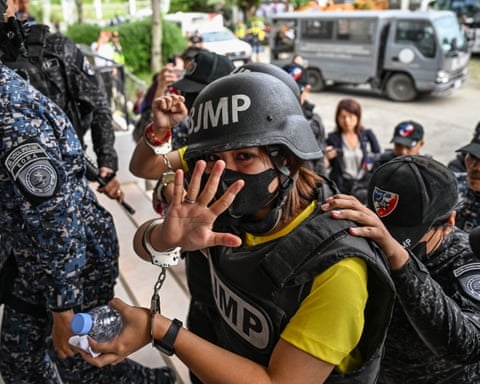
A regional court in the Philippines has convicted a young journalist on charges of financing terrorism, a verdict that has drawn immediate condemnation from international press freedom organizations as a politically motivated attack on the media.
Frenchie Mae Cumpio, a 26-year-old community journalist and radio broadcaster, was sentenced to between 12 and 18 years in prison. A former roommate, Marielle Domequil, received an identical sentence. The court acquitted both on separate, lesser weapons charges.
The case has been a focal point for human rights advocates since the pair’s arrest in February 2020. Initially detained on allegations of possessing a handgun and grenade, the more severe terrorism financing charge was added over a year later, carrying a potential 40-year term.
Defense lawyers and international observers have consistently argued that the prosecution is a clear instance of “red-tagging,” a practice where Philippine authorities accuse critics, activists, and journalists of links to communist insurgents to discredit and silence them. Cumpio’s legal team has announced plans to appeal the conviction.
Outside the courthouse, the scene was tense. Riot police prevented a group of supporters, including Cumpio’s mother, from entering the premises. Following the verdict, her family wept openly.
The ruling has sparked sharp criticism from global press freedom groups. One organization described the decision as “absurd” and evidence that official promises to protect journalists are “empty talk.” Another stated the verdict demonstrates a “blatant disregard for press freedom” and warned that the Philippines risks becoming an international example of persecuting the press rather than protecting it.
Prior to the verdict, over 250 journalists and media groups had called for Cumpio’s release, labeling the charges against her as fabricated. Legal representatives argued the nation’s broad anti-terrorism law is being wielded as a tool to suppress dissent.
The case underscores deepening concerns about the environment for independent journalism in the region, with advocates warning that the use of terrorism statutes against reporters sets a dangerous precedent for criminalizing critical work.