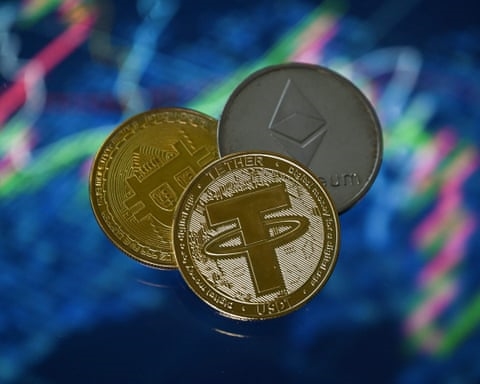
A new analysis suggests Iran’s central bank has been systematically amassing a major digital currency to circumvent international financial restrictions. According to findings from blockchain analytics firm Elliptic, accounts believed to be controlled by the bank have processed over $500 million worth of Tether (USDT), a type of cryptocurrency known as a stablecoin.
Stablecoins like Tether are designed to maintain a fixed value, typically pegged to a traditional currency like the U.S. dollar, facilitating easier conversion and use within the global digital economy. The report indicates this large-scale accumulation points to a deliberate strategy by Tehran to bypass the conventional banking system, which is heavily restricted for Iran due to sanctions. The move is likely aimed at facilitating foreign trade or supporting the national currency, the rial.
This development places scrutiny on political figures who have publicly advocated for such digital assets. In recent months, a prominent UK political leader revealed plans to promote Tether in discussions with financial authorities, arguing that cryptocurrencies represent a significant economic frontier and that the UK should position itself as a regulated hub for their trade. That leader’s party has received substantial donations from a major Tether shareholder, though the donor’s legal representatives have stated he holds no executive role and is not accountable for how users employ the platform.
The demand for Tether has surged, generating enormous profits for the issuing company—reportedly exceeding those of some global fast-food giants. However, a portion of this demand originates from illicit or sanctioned entities. Facing severe international restrictions that limit access to foreign currency and global banking, Iranian state actors appear to have turned to digital alternatives.
Last year, Israeli authorities publicized dozens of cryptocurrency accounts allegedly operated by Iran’s Islamic Revolutionary Guard Corps. Subsequently, an Iranian businessman publicly criticized the regime’s operational security on social media, inadvertently disclosing wallet addresses he claimed were used by the central bank. This disclosure enabled researchers to link a network of approximately 50 accounts to the bank with what they describe as a high degree of confidence.
In a statement, Tether emphasized a “zero-tolerance” policy towards the criminal use of its tokens and said it adheres to U.S. sanctions frameworks. The company noted it collaborates with law enforcement worldwide and has frozen billions in assets connected to illicit activities. While Tether has frozen accounts previously identified as belonging to the Revolutionary Guards, most of the accounts linked in the new report to the central bank reportedly remain active.
The party associated with the UK political advocate stated that Tether is used by “many companies and organisations across the globe,” affirmed that all its donations comply with electoral law, and expressed continued support for the Iranian people.