The combined fortunes of the world’s billionaires have surged to an unprecedented $18.3 trillion, a figure so vast it could theoretically eliminate extreme poverty multiple times over. This staggering accumulation of wealth, which has grown by more than 80% since 2020, coincides with a widespread stagnation in the global fight against poverty and hunger.
A new analysis highlights that the number of individuals holding billionaire status now exceeds 3,000, marking a historic high. Yet, this concentration of resources stands in stark contrast to the lived reality for millions. The report argues that many governments are increasingly aligning themselves with economic elites, effectively choosing what critics describe as a form of oligarchy over the needs of their citizens.
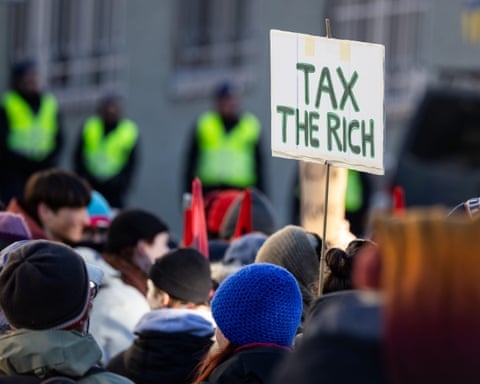
This trend unfolds against a backdrop of rising public discontent. Over the past year, youth-led movements across Africa, Asia, and Latin America have mobilized against systemic inequality, corruption, and austerity measures. However, these protests have frequently been met with suppression rather than substantive policy change.
“The global pattern is clear: a choice is being made to defend concentrated wealth rather than public welfare,” stated one of the report’s analysts. “The fusion of immense wealth and political power is now more overt than ever. Where influence was once exercised discreetly, it is now often brazenly direct.”
The human impact of this inequality is palpable in communities worldwide. In one Nairobi neighborhood, residents grapple with a lack of clean water and sanitation, while an adjoining luxury golf course maintains its greens with constant irrigation. Activists point to such contrasts as symptomatic of policy choices that favor business interests and tax exemptions for the wealthy over public investment in essential services like education and healthcare.
Despite the daunting landscape, there are signs of a potent counter-movement. A wave of activism, particularly among younger generations, is challenging the entrenched influence of wealth on governance. Recent political upheavals, including the toppling of a government in Nepal following mass anti-corruption protests, underscore this shifting dynamic. In that instance, public fury was directed at figures perceived to epitomize the corrupt nexus of business and politics.
“The message from the streets is a demand for a new kind of politics,” explained a political consultant involved in the Nepali protests. “It’s a global assertion that the youth must have a meaningful voice and that systems must work for the many, not the privileged few.”
The mechanisms of influence are multifaceted. Beyond direct political donations or holding office—billionaires are estimated to be thousands of times more likely to occupy political positions than the average citizen—the ultra-wealthy also wield significant control over public discourse. Research indicates that more than half of the world’s major media companies and nearly all top social media platforms are under billionaire ownership.
This concentration of economic and communicative power has tangible policy consequences. Studies suggest that when economic elites endorse a policy, its likelihood of adoption more than doubles compared to when they oppose it.
The growing chasm between extreme wealth and widespread economic hardship, coupled with the increasingly visible hand of the rich in steering political outcomes, is fueling a global reckoning. The central question now is whether established systems will reform to address this imbalance or face escalating demands for change from a generation that finds the status quo increasingly untenable.