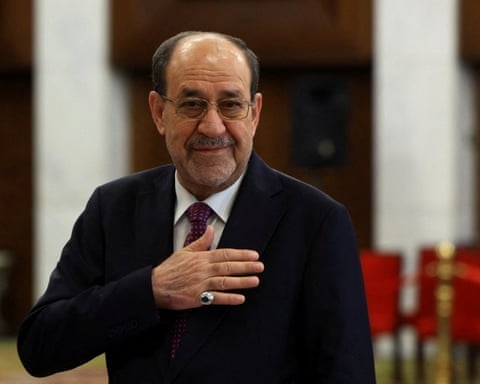
A prominent Iraqi political figure has issued a sharp rebuke against what he describes as unacceptable foreign meddling in the nation’s electoral process. The condemnation follows public statements from a former U.S. president suggesting a withdrawal of American support should this individual return to a leadership role.
In an official communication, the former official stated, “We categorically reject this overt interference in Iraq’s domestic matters and view it as an infringement on our sovereignty.” He is currently the designated candidate for the premiership from the country’s largest parliamentary coalition.
The controversy stems from a social media post by the former American leader, which criticized the candidate’s previous tenure, linking it to periods of instability and economic hardship. The post warned that U.S. assistance would cease if he were elected, claiming Iraq would have no prospect for success without it.
This international commentary occurs amidst broader regional tensions and ongoing security operations, including the transfer of detained militants to facilities within Iraq. U.S. foreign policy has long sought to counter Iranian influence in the region and views the candidate’s political alignment with suspicion. His prior term, which concluded a decade ago, was marked by the significant territorial gains of a militant extremist group.
The political landscape in Iraq remains complex. While the incumbent caretaker prime minister’s coalition secured the most seats in the recent parliamentary vote, he subsequently withdrew his candidacy. This move consolidated support within the major Shia political alliance behind the former leader. A scheduled parliamentary session to appoint a new president—a necessary step before naming a prime minister—was recently postponed due to insufficient attendance, with no new date announced.
The candidate affirmed his commitment to the nomination process, citing his respect for the decision of the political coalition and the national interest.
The outgoing prime minister, who initially gained office with the same coalition’s backing, was noted for maintaining a diplomatic balance between Washington and Tehran. He also successfully curbed actions by certain Iran-aligned armed factions within Iraq during recent regional conflicts. Some of these groups have now expressed their support for the returning candidate.
A commander of one such faction labeled the American’s statements as “flagrant interference,” accusing him of seeking a “political assassination” of the candidate—a reference to a previous drone strike during the American’s administration that killed a senior Iranian military figure and an Iraqi paramilitary leader. That strike targeted individuals involved with the network of militias originally mobilized against the extremist group.