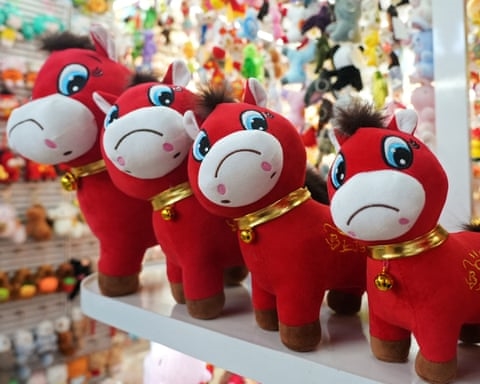
As China prepares to usher in the Year of the Horse, a symbol of vigor and diligence, a manufacturing mishap has produced an unlikely cultural icon that resonates with a contrasting sentiment. A plush toy horse, intended to bear a cheerful smile, instead left the factory with a distinct frown. Due to the inverted stitching of its smile, the design creates the visual effect of tears streaming from the animal’s nostrils.
This “crying horse” has surged in popularity across social media platforms, transforming from a production error into a viral sensation. It taps into a growing appreciation for quirky, “ugly-cute” aesthetics in collectibles while striking a deeper chord with many urban professionals. The toy’s forlorn expression is widely interpreted as a humorous yet poignant reflection of workplace exhaustion and burnout.
“The despondent horse is your 9-to-5 self, while the cheerful one is your weekend self,” one social media user reportedly commented, encapsulating the toy’s appeal. The manufacturer has seen demand skyrocket, with orders necessitating a significant expansion of production capacity.
This phenomenon intersects with broader discussions about work culture, where marathon hours remain commonplace despite regulatory changes. The toy’s expressive face has become a shared symbol for discussing the pressures of modern professional life, particularly on platforms where consumer trends and personal expression frequently merge.
“The popularity of such items often provides a socially acceptable conduit for voicing collective experiences, including job-related stress,” noted an e-commerce analyst. The trend has demonstrated international appeal, with bulk orders arriving from several continents, and plans are underway to feature the distinctive image on various products.
The original artisan responsible for the upside-down stitching remains unidentified. In a lighthearted response to the profitable error, the company owner announced that rather than assigning blame, the team would share in the unexpected success. “As we can’t pinpoint whose hands made the ‘mistake,’ we’ve decided everyone gets a reward,” she stated.