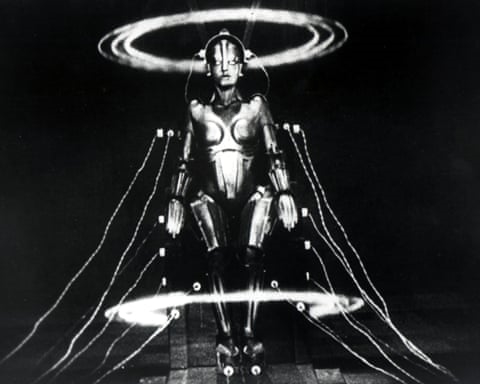
As the calendar turns to 2026, a curious pattern emerges from the archives of popular cinema. For decades, filmmakers have used this specific year as a backdrop for tales of societal collapse, technological overreach, and existential crisis. An examination of these fictional portrayals reveals less about accurate prediction and more about our persistent anxieties, offering a distorted mirror to our present moment.
The legacy is not a hopeful one. Consider the video game adaptation Doom, which posits 2026 as the year humanity discovers a portal to Mars. While the immediate narrative catastrophe is deferred, the underlying theme is one of cosmic hubris—the notion that our expansion into the stars might unlock horrors rather than salvation. This aligns with a broader cinematic suspicion of the red planet, rarely depicted as a promised land.
Within the sprawling narratives of modern superhero franchises, 2026 appears as a year of narrative entropy. Several major productions are canonically set during this time, often marked by convoluted plots and a sense of wheel-spinning. The implication is a cultural moment where spectacle supersedes coherence, and audiences are asked to endure nonsensical developments as necessary setup for future installments—a dynamic that feels uncomfortably familiar.
Perhaps the most prescient warning comes from the revived Planet of the Apes series. Dawn of the Planet of the Apes is set in 2026, a decade after a pandemic devastates humanity and elevates ape intelligence. While the specifics of a simian uprising remain fantastical, the film’s core tension feels starkly relevant. It argues that despite the efforts of reasonable voices, societies remain vulnerable to those who weaponize fear and tribalism, inevitably steering toward violent conflict. The film’s bleak outlook on our capacity for peaceful coexistence resonates in an era of polarized discourse.
The most iconic vision, however, remains the oldest. Fritz Lang’s 1927 masterpiece Metropolis is set in 2026, depicting a city starkly divided between a wealthy elite in towering spires and an oppressed underclass toiling underground on the machines that sustain it. Its vision of a robot impersonating a human to sow discord feels newly pertinent. Yet, the film’s most radical—and today, most fantastical—element is its conclusion. It suggests the chasm between classes could be bridged by mediation and a change of heart. A century later, the film’s dystopian architecture and exploited labor feel eerily plausible, while its hopeful resolution seems more distant than ever.
Ultimately, these films set in 2026 do not predict our present with accuracy. Instead, they chronicle a century of deep-seated fears: of technology we cannot control, of social fractures we cannot heal, and of futures where our worst instincts prevail. As we arrive at the year itself, the true lesson may be that our artistic warnings were always about the perennial challenges of the human condition, merely dressed in the costume of tomorrow.