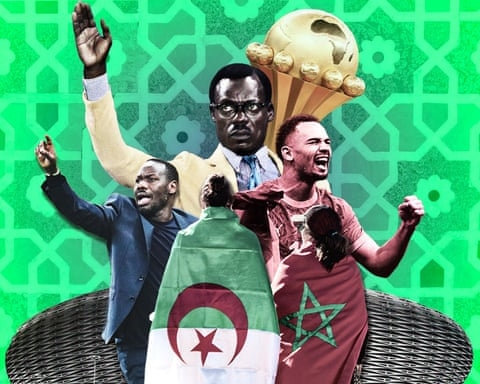
While the dramatic conclusion in Rabat captured global attention, the true essence of the latest Africa Cup of Nations unfolded in its vibrant margins and profound subtexts. The tournament was more than a football competition; it was a cultural spectacle and a geopolitical statement, revealing shifting dynamics across the continent.
The host nation’s execution of the event was a meticulously crafted demonstration of ambition. From the moment visitors arrived, the atmosphere was one of controlled celebration, with streets adorned and airports animated, all part of a broader strategy to cement a reputation as a premier destination for global sport. Yet, this polished facade sparked local debate. Critics pointed to a perceived disparity between the state’s efficiency in staging international events and its responsiveness to domestic crises, such as post-earthquake recovery efforts. This contrast highlighted a tension between national projection and grassroots reality that lingered beneath the tournament’s surface.
On the pitch, the conduct surrounding the championship match left a complex legacy. Beyond the analysis of tactical decisions and missed penalties, a series of contentious incidents involving gamesmanship toward the visiting team raised questions about sportsmanship. Such actions, particularly when directed at players from a rival region, cast a shadow and prompted discussions about the spirit of competition, especially for a nation with aspirations to host the world’s biggest sporting event.
A defining feature of this edition was the powerful presence of the diaspora. Stadiums and host cities became meeting points for a global African community. Fans with roots from Lagos to London, Dakar to Dallas, converged, blending their international experiences with deep continental pride. Their journey was not just about football; for many, it was a pilgrimage of reconnection, drawn by affordable access and an irresistible, growing continental energy. Watch parties from Brooklyn to Brussels further proved the tournament’s expanding cultural footprint far beyond African borders.
The competition also served as a canvas for political memory and identity. The most striking image for many was not a goal celebration, but a fan’s silent, statuesque tribute to a historic Congolese leader. This powerful act of remembrance sparked both controversy and solidarity, leading to gestures of respect from players on the field. It stood as a poignant counter-narrative, reclaiming African history and icons from reductionist external portrayals and embedding them firmly within the sport’s contemporary narrative.
A quiet revolution was also confirmed in the technical areas. The dominance of African coaches marked a significant shift. The majority of teams were led by domestic tacticians, with an African coach ultimately lifting the trophy—a trend solidifying in recent years. The champion’s manager exemplified this, combining strategic acumen with unflappable composure to guide his team through immense pressure, underscoring the rising quality and confidence of homegrown football leadership.
The soundtrack of the tournament was as diverse as its participants. While infectious hits from local artists provided the ubiquitous rhythm in streets and stadiums, the most enduring chants often carried a layer of wit. Good-natured, culturally specific taunts from the stands—like those targeting a rival coach’s appearance—showed that football banter is a universal language, with a uniquely local accent.
In the end, the tournament offered a mosaic of modern Africa: its ambitions, its complexities, its interconnected global community, and its unwavering passion for the beautiful game. The football provided the framework, but the stories woven around it revealed the true heartbeat of a continent.