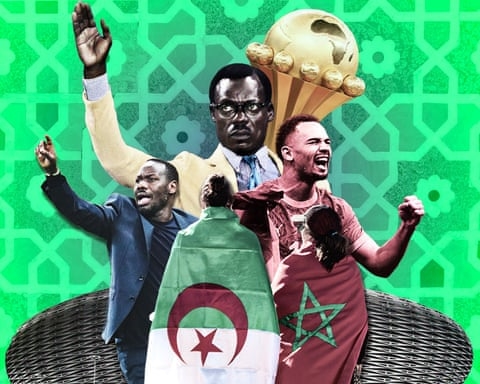
While the dramatic conclusion in Rabat captured global attention, the recent Africa Cup of Nations offered a narrative far richer than the scorelines. The tournament served as a vibrant stage for cultural expression, political commentary, and a significant shift in the continent’s footballing identity.
The host nation, Morocco, executed the event with notable ambition, transforming airports and city streets into a festival of welcome. This spectacle was widely interpreted as a deliberate statement of capability to the international sporting community. However, this polished presentation existed alongside domestic critiques. Some observers contrasted the efficiency of tournament preparations with perceived delays in addressing lasting infrastructure damage from a recent major earthquake, highlighting a complex dialogue between national projection and local priorities.
On the pitch, the competition underscored a decisive trend: the rising prominence of African coaches. An overwhelming majority of participating teams were led by homegrown managers, with all four semi-finalists guided by African tacticians. This shift marks a departure from past tournaments and represents a significant reclaiming of technical leadership within the continent’s football.
The event also powerfully illustrated the global threads of the African diaspora. Stadiums and fan zones were filled with supporters whose identities spanned continents—from European-born descendants to North American enthusiasts. Their presence turned matches into transnational celebrations, reinforcing the tournament’s role as a cultural anchor for communities worldwide.
One of the most striking symbols emerged not from a player, but from a fan. A supporter of the Democratic Republic of the Congo, embodying the nation’s founding father Patrice Lumumba through silent, statuesque tribute, sparked a continent-wide conversation. This act of remembrance resonated deeply, prompting gestures of solidarity from players and serving as a poignant counter-narrative to superficial portrayals of the competition.
Amid the sporting tension, the soundtrack of the tournament provided its own pulse. From viral Angolan hits to the ubiquitous chants in Moroccan stadiums, music and playful terrace banter—like good-natured taunts directed at a rival coach—added a layer of unifying, communal energy.
Ultimately, the tournament affirmed its status as more than a football championship. It was a multifaceted event where sport intersected with heritage, identity, and ambition, leaving a lasting impression that extends well beyond the trophy lift.