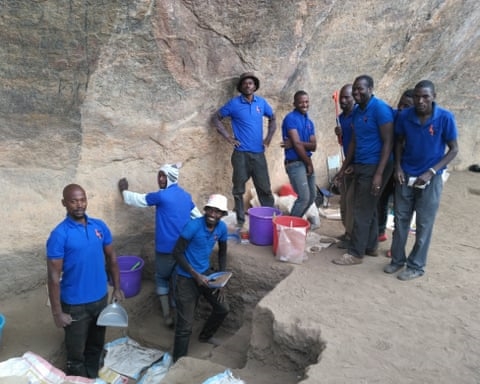
A remarkably preserved cremation site, dating back approximately 9,500 years, has been uncovered in northern Malawi, providing unprecedented insight into the funerary rituals and social structures of ancient African hunter-gatherer communities.
Excavations at a rock shelter near Mount Hora revealed the remains of what is now considered the oldest known intentional cremation of an adult individual in Africa, and the first such pyre definitively linked to hunter-gatherer groups on the continent. The discovery pushes back the timeline for complex mortuary practices in the region by several millennia.
The site contained over 170 bone fragments from a single adult woman. Analysis indicates the body underwent a meticulous and multi-stage ritual. Cut marks on the bones suggest flesh was removed and joints were separated prior to cremation. Notably, the skull was absent from the remains found within the pyre.
Researchers propose that select body parts, including the skull, may have been deliberately removed as part of the ceremony, possibly to be kept as tokens or curated elsewhere—a practice echoing modern traditions of preserving mementos of the deceased. The pyre itself, constructed on a scale comparable to a large bed, would have required significant communal effort and technical knowledge to build and maintain.
Further evidence of ritualistic behavior was found within the ash layers, including stone flakes and tool fragments. These items may have been used in the preparation of the body or intentionally cast into the flames as offerings. Intriguingly, at least one later fire was lit directly atop the pyre’s location, potentially indicating an act of commemoration.
This find stands in stark contrast to previous archaeological understanding. Prior to this discovery, the earliest confirmed cremations in Africa were associated with pastoral communities from roughly 3,500 years ago. The sophistication of this 9,500-year-old ritual challenges long-held assumptions about the social complexity of early hunter-gatherer societies, suggesting they possessed intricate belief systems and recognized distinct social roles among their members.
The rock shelter appears to have served as a significant funerary site for millennia, with evidence of burials spanning thousands of years. This latest analysis of the cremated remains offers a rare and vivid window into the symbolic world and profound social bonds of some of Africa’s earliest human communities.