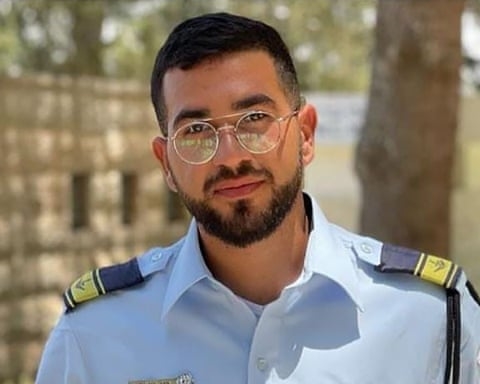
The body of an Israeli police sergeant killed during the October 2023 attacks has been repatriated, marking the conclusion of a painful chapter for the nation. The return of this serviceman signifies that no Israeli citizens or remains are now held within the Gaza Strip, according to official statements.
The sergeant, a 24-year-old member of an elite unit, was reportedly on medical leave when the attacks began. He chose to join the defense of his community despite his injury. His father, speaking at the return ceremony, recounted his son’s decision, saying he refused to let his comrades fight alone. The family expressed a complex mix of profound grief and relief that his journey home had finally been completed.
This repatriation fulfills a primary condition of the current international ceasefire framework for the region. The completion of this initial phase is intended to enable progress on subsequent stages of the plan, which outlines a future governance structure for Gaza. This proposed structure faces significant political hurdles, including opposition from factions within Israel’s government and the immense challenge of ensuring security arrangements.
Official sources indicate that with this return, a major border crossing is set to reopen, though reports suggest its operation will be severely limited and tightly controlled, offering little immediate relief for the dire humanitarian situation inside Gaza. Critical shortages of food, medicine, and shelter persist, and cold weather has reportedly claimed young lives.
The focus for many advocacy groups is now shifting. Alongside continued calls for addressing the humanitarian crisis in Gaza, there are growing demands within Israel for an independent investigation into the 2023 attacks and the subsequent military campaign. Some protesters and families of those previously held captive have accused political leadership of delaying earlier agreements that might have secured releases sooner.
The conflict’s human cost remains stark. Of those taken to Gaza, most survivors were freed through negotiated agreements. The circumstances of those who died in captivity vary, with causes ranging from initial injuries to conditions during their holding.
The return of the final remains closes a prolonged national effort to recover all citizens, but it occurs against a backdrop of ongoing tension, humanitarian need, and a deeply uncertain political path forward for the region.