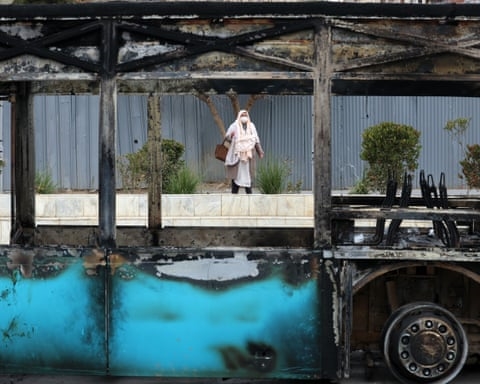
Recent unrest in Iran has revealed a notable evolution in the character of public dissent, distinguishing it from the nationwide demonstrations that erupted in 2022. While the earlier protests were widely recognized for their progressive, women-led ethos centered on the “Woman, Life, Freedom” slogan, the latest upheaval appears to be driven by a broader, more desperate socio-economic anger, with a distinctly different focal point.
The change was palpable on the streets. In cities like Karaj, near Tehran, chants against the country’s leadership echoed once more. However, attempts to revive the feminist rallying cry that defined the 2022 movement reportedly gained little traction. Observers note that the current protests are less about specific social freedoms and more a raw rebellion against deepening poverty, economic mismanagement, and a pervasive sense of hopelessness. This shift has been described by some participants as a more “masculinist” movement at its core, rooted in economic despair rather than a focused campaign for gender rights.
Amid this vacuum of clear leadership from within the country’s imprisoned reformist and activist circles, a surprising figure has emerged as a symbol for many disillusioned young Iranians: Reza Pahlavi, the exiled son of Iran’s last monarch. For a generation with no memory of the 1979 revolution or the Shah’s autocratic rule, Pahlavi is being cast by some not as a monarchist icon, but as a potential unifying figurehead for transition. His promises to facilitate a change in government, while ambiguously leaving the door open to various future political systems, have resonated with protesters who feel existing opposition avenues are blocked.
This nascent support is not without significant controversy. Pahlavi has faced sharp criticism for statements perceived as cavalier about protester casualties and for distancing himself from the “Woman, Life, Freedom” movement during the latest unrest. Skeptics view this as opportunistic, aligning with what they see as the more conservative tenor of the current protests. His role remains hotly debated, both inside and outside Iran.
The regime’s response to the unrest has been characteristically severe. A brutal crackdown is reported to have resulted in significant loss of life, with security forces employing harsh tactics to quell demonstrations that began over economic grievances before spreading to major cities. Analysts suggest the sheer scale of the public anger and the deadly official retaliation represent a sustained challenge to the government’s stability.
Ultimately, these developments highlight a complex and fragmented opposition landscape. The unifying, cross-societal slogan of 2022 has receded, replaced by a diffuse fury where economic hardship fuels protest and the search for any viable alternative leads some toward historical figures once considered relics of a rejected past. The evolution underscores not just the regime’s enduring resilience, but also the deepening desperation and shifting tactics of those who seek its end.