A detailed American framework for the future of Gaza, envisioning a unified territory under Palestinian civil administration, has been formally presented. The plan outlines both immediate humanitarian steps and a long-term vision, marking a significant shift in post-conflict planning.
Central to the short-term measures is the scheduled reopening of the critical Rafah border crossing with Egypt next week, a move intended to facilitate a major increase in the flow of goods and aid. The blueprint further commits to the rapid restoration of essential infrastructure—including water, electricity, sewage systems, hospitals, and bakeries—within the next 100 days.
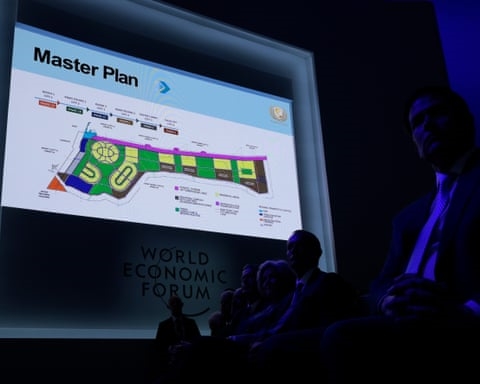
The long-term vision, illustrated in presentations, foresees a rebuilt Gaza with modern residential and commercial districts. The administration of the territory would be entrusted to a newly established panel of Palestinian technocrats, the National Committee for the Administration of Gaza (NCAG), during a transitional period. This body’s stated mission is to restore public order, rebuild institutions, and establish a single, lawful authority.
A cornerstone of the security plan is the disarmament of militant factions. The framework mandates that all heavy weapons be decommissioned immediately, with personal arms registered and later decommissioned as a new, U.S.-backed Palestinian police force assumes responsibility for security. The end goal is a Gaza where weapon possession is authorized solely by the interim administration.
The plan faces immediate political tests. The impending reopening of the Rafah crossing is subject to final approval, with some officials conditioning it on the resolution of outstanding issues. More substantially, the proposal for a Palestinian interim authority in Gaza conflicts with the ambitions of some who advocate for a different demographic and political future for the territory.
The success of this ambitious framework will hinge on several factors: the sustained commitment to its implementation, the cooperation of all parties in the complex disarmament process, and the ability to navigate substantial political opposition to its core concepts. For Gaza’s residents, the plan represents a potential pathway out of crisis, yet one fraught with formidable challenges.