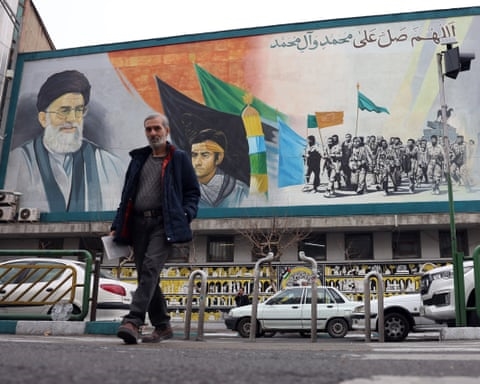
For days, a profound silence has descended over Iran’s digital landscape, a state-imposed blackout meant to smother dissent. This is now a familiar rhythm: a surge of public anger, a brutal crackdown, a period of tense quiet, and then the inevitable resurgence. The current unrest is not an anomaly but the latest chapter in a long and wearying story of a people’s aspirations clashing with an unyielding state.
Iranians have exhausted every conceivable avenue for change. They have navigated the state’s tightly controlled electoral theater, voiced dissent in universities and online, and taken to the streets. The core demand—for meaningful, fundamental reform—echoes persistently but meets a wall of institutional intransigence. For over two decades, democratic appeals have largely fallen on deaf ears. Even fleeting moments of potential opening have been sabotaged, often by external forces whose actions have only empowered the hardest of hardliners within.
The profound frustration felt by many is compounded by a stark political vacuum. The existing opposition offers little solace. For a significant portion of the populace, the figure often touted as the primary alternative represents a return to a despised monarchical past—a prospect viewed not as liberation but as another form of autocracy, disconnected from the realities of contemporary Iranian society.
This internal stalemate is dangerously exacerbated by the specter of foreign intervention. The memory of recent military strikes is raw, and the threat of more, couched in rhetoric that reduces a complex nation to a caricature in need of salvation, looms large. Such a path promises not democracy, but protracted violence and national ruin.
The regime, for its part, shows no sign of buckling. It is deeply entrenched, with a loyal base and a security apparatus willing to employ unprecedented violence, as recent tragic events have shown. Faced with massive protests, its instinct is not concession but heightened paranoia and repression, thereby guaranteeing the next eruption of unrest.
The result is a grim cycle of attrition. The nation is caught between a state that refuses to reform and a populace that cannot accept the status quo, with no clear or palatable exit in sight. Each confrontation weakens the country’s foundations, pushing the dream of a peaceful political evolution further out of reach. The overwhelming sentiment among many is one of deep pessimism, a weary recognition that the path ahead promises only more struggle, with no end in sight.