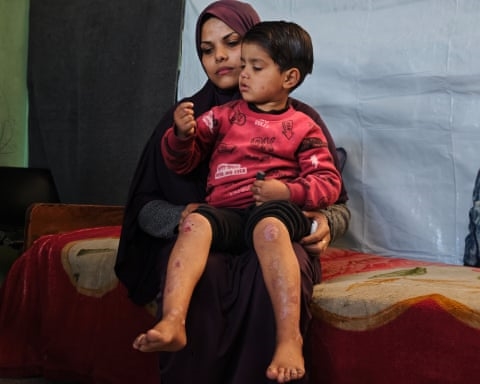
Thousands of Palestinians diagnosed with cancer are enduring immense suffering, trapped without access to life-saving treatments due to ongoing hostilities and severe restrictions on movement and medical supplies. The collapse of healthcare infrastructure has created a desperate situation where even basic pain relief is scarce.
The story of one young child illustrates the broader tragedy. Diagnosed with a rare and aggressive blood cancer before the conflict escalated, his planned transfer for specialized care was abruptly halted. Now living in a makeshift shelter, his family can only offer rudimentary care, using saltwater compresses to soothe painful lesions, as medications are unavailable. His mother describes a relentless cycle of pain, fever, and displacement that has drastically worsened his condition.
Medical professionals report a system in ruins. Airstrikes have destroyed the sole specialized cancer treatment facility in the territory, forcing oncology care into ad-hoc clinics lacking essential resources. Critical diagnostic tools, such as biopsy needles, are absent, leaving physicians unable to confirm diagnoses or plan treatments for patients with obvious symptoms. Stocks of chemotherapy drugs are perilously low, with warnings of imminent shortages a constant reality.
For patients, the ordeal is compounded by the dangers of war. Individuals with compromised immune systems are forced to undertake physically demanding tasks like securing tents and carrying water in harsh conditions. The psychological toll is severe, with many grieving family members lost to bombardments while confronting their own mortality. One elderly woman diagnosed with cancer reports fainting from hunger, her current “treatment” consisting only of anesthetic injections to sustain her.
While some medical evacuations have occurred, aid agencies report that the number of patients leaving is far exceeded by those with urgent need who remain. A major crossing point for evacuations has been closed for months, and legal petitions argue that policies restricting patient movement violate obligations to provide care. Although one cancer patient recently won a protracted legal battle to travel for treatment, calling it a potential “crack” in a restrictive system, his case remains an exception. Health officials state thousands with official referrals for external care are still waiting, and reports indicate hundreds, including children, have died awaiting evacuation.
Authorities overseeing the territory deny impeding medical evacuations, stating requests are reviewed and approved subject to security checks, with dozens evacuated weekly. However, rights organizations counter that current policies effectively block access to care, leading to preventable deaths.
Amid cold winds rattling tent shelters, families cling to hope while providing whatever comfort they can. For a mother tending to her sick child with little more than a notebook for distraction, the plea is simple: a wish for the power to alleviate pain and the basic right to live without suffering.