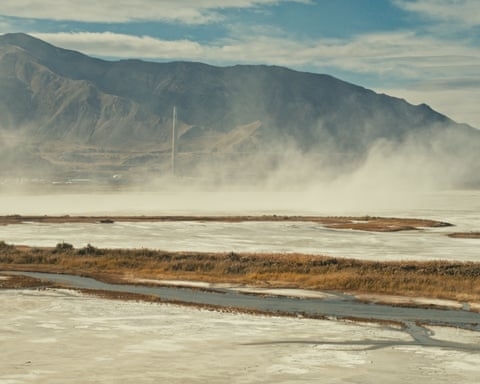
A new documentary sounds a stark alarm over the ecological emergency facing the Great Salt Lake, framing its potential demise as a disaster of monumental proportions for the American West.
The film details the rapid decline of the hemisphere’s largest saline lake, which has lost the majority of its water and surface area due to extensive water diversion, primarily for agriculture. Scientists featured warn that without immediate and drastic intervention, the lake could vanish entirely in just a few years. This would expose a vast lakebed, unleashing toxic dust clouds laden with heavy metals like arsenic and selenium over a metropolitan region home to millions.
The consequences, experts state, would be severe and multifaceted: a public health crisis from worsened air pollution, the collapse of unique ecosystems and bird populations, the loss of a major recreational resource, and billions in economic damage from impacted industries and tourism. The documentary draws sobering parallels to other ecological disasters, such as the desiccated Owens Lake in California and the largely vanished Aral Sea in Central Asia.
At the heart of the crisis is a contentious debate over water rights in one of the nation’s driest states. The film highlights the tension between scientists and advocates calling for a radical overhaul of water allocation—away from thirsty crops like alfalfa—and state officials who emphasize a more gradual, negotiated approach with agricultural interests. Critics of the incremental strategy argue that in this race against time, moving too slowly equates to failure.
Despite the dire outlook, the documentary points to recent actions as a fragile source of hope. State leadership has publicly prioritized the lake’s restoration, securing significant philanthropic funding and establishing a charter with a target date for recovery. The film suggests that while the path forward is fraught and the lake’s future remains precarious, the blueprint for salvation exists. The central question posed is whether political will and collective action can be marshaled swiftly enough to avert what is described as an impending environmental catastrophe.