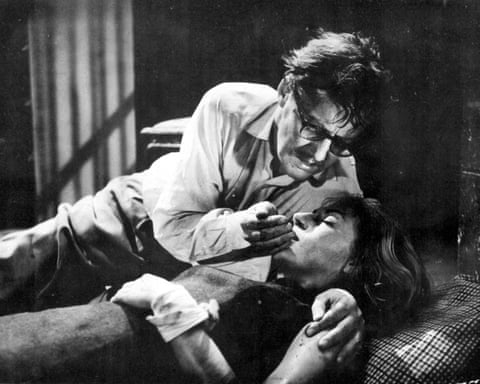
A classic British thriller from 1962, recently restored for a new generation, presents a stark and suspenseful tale of a crime gone wrong. The film follows a trio of bank robbers who, after a seemingly successful heist, are haunted by a terrible oversight.
Posing as a postman to gain entry, the gang’s leader forces the bank’s manager and his secretary into the basement vault to access the cash. After securing the money, the criminals lock the two employees inside the airtight strongroom and flee.
Their triumph is short-lived. As they hide, a grim realization takes hold: if the trapped pair are not discovered, they will suffocate. The potential consequences of their negligence—a murder charge in an era when capital punishment was still in force—send them into a panic. Driven by a desperate, self-preserving guilt, they decide they must return to the scene.
Time becomes the enemy. Back at the bank, a different drama unfolds within the vault. As the air grows thin and the heat stifling, the formal barriers between the manager and his secretary begin to dissolve. Facing mortality together, a fragile, unspoken bond forms in the claustrophobic darkness.
The film builds tension with a lean, efficient runtime, delivering its narrative punches without unnecessary embellishment. The performances, characteristic of the period’s style, are direct and compelling, grounding the escalating horror in a believable reality. The gang’s leader, portrayed with a memorable, gritty intensity, embodies the ruthless anxiety of men trapped by their own actions.
Audiences expecting a conventional moral resolution are in for a surprise. The film builds towards a climax that is as brutally unsentimental as it is unforgettable, cementing its status as a remarkably tough and effective piece of cinema.