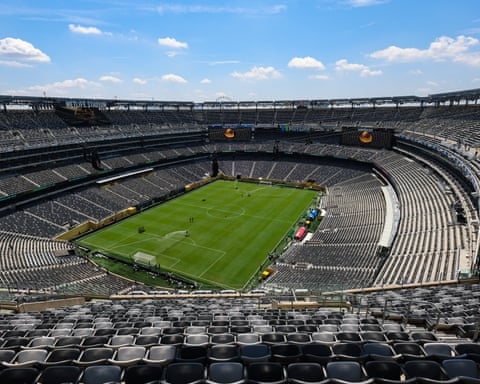
Attending football’s biggest tournament is becoming a privilege reserved for the well-heeled. A review of historical pricing data reveals a sharp and deliberate escalation in the cost of entry for the average supporter, with the 2026 World Cup in North America setting a new and exclusionary standard.
The most dramatic increases are not found among the premium offerings, but at the bottom of the price scale. The traditional “Category 4” ticket, once intended to ensure local fans could attend, has effectively been priced out of existence for the upcoming tournament. Compared to the 2022 event in Qatar, these cheapest-available seats for most match stages are now at least three times more expensive. Furthermore, the entire limited allocation of these tickets was exhausted before general public sales even began.
This trend is consistent across the tournament but peaks for its most significant events. Tickets for the final and matches involving host nations or global football powers command the highest premiums. A new dynamic pricing model, which adjusts costs based on real-time demand, has been a primary catalyst for the surge. Since the final draw determined matchups, prices for over 90% of the 104 games have risen.
The influence of star power is unmistakable. Group stage matches featuring Portugal, fueled by the draw of Cristiano Ronaldo, experienced the steepest climbs. They are followed by games involving Lionel Messi’s Argentina, reigning European champions Spain, and popular South American sides Colombia and Uruguay.
While FIFA has released a small number of tickets for every match at a fixed price of $60, this figure itself represents a significant jump from the baseline cost in 2022. It also far exceeds the original vision presented by the United 2026 bid committee, which initially aimed for a starting group-stage price close to $21 when accounting for inflation.
The result is a transformed economic landscape for the World Cup spectator. The tournament’s expansion to 48 teams may mean more football, but for most fans, the financial barrier to witnessing it in person has never been higher.