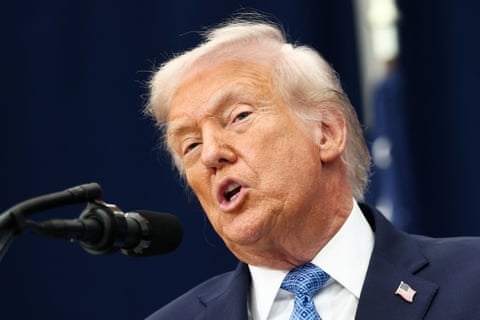
Following a shooting incident in Washington D.C. last week, in which an Afghan national is a suspect, the administration has significantly escalated its language and policy actions targeting immigrant communities. Officials have issued broad condemnations of specific nationalities and announced sweeping immigration restrictions.
In public statements, the President claimed there are widespread issues with individuals from Afghanistan. In separate remarks, he targeted Somali immigrants with derogatory language, calling them “garbage” and criticizing their country of origin. A senior White House official praised these comments as an “epic moment.”
The rhetoric has been echoed by other administration figures and allied lawmakers. One senator called for a ban on immigrants from certain religious backgrounds, while a cabinet secretary advocated for a comprehensive travel ban on nations she accused of sending dangerous individuals. Policy actions have followed, including the indefinite suspension of visa processing for Afghan nationals and a pause on asylum applications from nearly twenty non-European countries. Officials have also signaled an increase in immigration enforcement activities in areas with large immigrant populations.
Critics, including Democratic lawmakers and immigration advocates, have condemned the language as xenophobic and dehumanizing. They argue the administration is exploiting a tragedy to advance a broader anti-immigration agenda, which they warn stokes fear and could incite violence against communities. A researcher on dangerous speech noted the lack of Republican opposition to the recent comments, contrasting it with past pushback, and stated that such rhetoric, when coupled with policy actions, legitimizes discrimination.
Community organizers report a palpable rise in fear among Somali and Afghan residents. Legal experts have challenged the administration’s justification for the new restrictions, arguing that the existing vetting process for Afghan allies is rigorous and that the blanket bans are not based on specific security intelligence but on nationality. They warn that weaponizing a criminal act against entire national or ethnic groups is both unjust and dangerous.
When confronted with these criticisms, a White House spokesperson defended the administration’s stance, reiterating blame on previous immigration policies for the suspect’s presence in the country and supporting the President’s characterization of Somali immigrants.