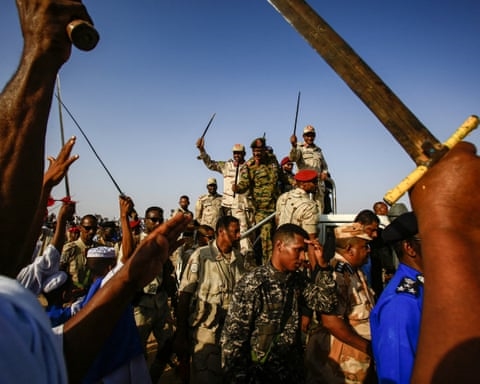
The United Kingdom has imposed asset freezes and travel bans on four senior commanders of Sudan’s Rapid Support Forces (RSF), accusing them of involvement in mass killings and brutal violence against civilians in the city of El Fasher. However, the measures notably exclude the paramilitary group’s primary international backer, the United Arab Emirates.
The sanctioned individuals include Abdul Rahim Hamdan Dagalo, the deputy leader of the RSF and brother of its overall commander, Mohamed Hamdan Dagalo (known as Hemedti). Also targeted are three other senior officers: Gedo Hamdan Ahmed, Al-Fateh Abdullah Idris, and Tijani Ibrahim Moussa Mohamed. British authorities stated that evidence thresholds were met in part due to social media posts by the commanders that appeared to glorify the violence.
In announcing the sanctions, the UK Foreign Office cited “atrocities including mass killings, sexual violence and deliberate attacks on civilians.” While no official death toll has been confirmed since the RSF seized El Fasher in late October, parliamentary briefings suggest the number of dead may exceed 60,000. The conflict, which began in April 2023 between the Sudanese army and the RSF, has triggered what the United Nations calls the world’s most severe humanitarian crisis, with famine conditions now widespread in the Darfur region following an 18-month siege.
Alongside the sanctions, the UK pledged an additional £20 million in humanitarian aid, bringing its total commitment for Sudan this year to £146 million. The funding is intended to support food distribution, medical care, and emergency shelter for approximately 150,000 people.
Diplomatic observers note that while the sanctions signal condemnation, they also reflect the complex geopolitics surrounding the war. The UK indicated it is using private channels to leverage influence with the UAE and Hemedti, rather than taking public action against them. The Gulf state has repeatedly denied allegations it arms the RSF, despite reports from UN experts and independent monitors.
There are growing international concerns that the conflict could spill over Sudan’s borders, potentially drawing in neighboring states. Tensions between regional powers, already visible in conflicts like Yemen, risk further inflaming the situation in Sudan.
The move was welcomed by Sudanese diaspora groups, though many expressed frustration that the UAE escaped direct punitive measures. Advocates argue that cutting off all external support to the warring parties is essential to ending the violence.
The UK has led a recent resolution at the UN Human Rights Council mandating an urgent investigation into the atrocities in El Fasher. British officials hinted that further sanctions against the RSF are possible, depending on the group’s next military and political moves.