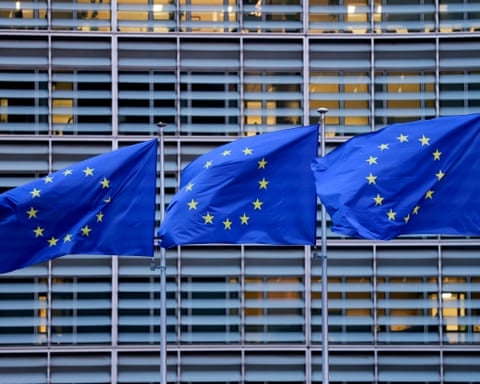
A significant diplomatic rift has opened between the United States and its European allies following Washington’s decision to impose visa bans on five European figures involved in digital policy and anti-disinformation efforts. The move has been met with unified condemnation from European capitals, with leaders denouncing it as an act of intimidation.
The individuals barred from entry include a former European commissioner instrumental in crafting the bloc’s landmark Digital Services Act (DSA) and several prominent campaigners from Germany and the United Kingdom. The DSA, a set of regulations aimed at curbing illegal content and disinformation on major online platforms, has long been a point of contention. American officials have repeatedly criticized the act, framing it as an overreach that threatens free speech and unfairly targets U.S. technology companies.
In defending the visa restrictions, the U.S. Secretary of State accused European actors of leading “organized efforts to coerce American platforms” into suppressing certain viewpoints, stating the administration would no longer tolerate what it called “extraterritorial censorship.” This justification has done little to placate European leaders, who have vowed a swift and decisive response. A spokesperson for the European Commission labeled the U.S. action “unjustified,” signaling the potential for retaliatory measures.
Analysts view the dispute as more than a simple regulatory clash; it is seen as the latest escalation in a broader cultural and political conflict between the current U.S. administration and European governments. The visa bans are interpreted as a direct challenge to European sovereignty and its regulatory authority, threatening to further strain the transatlantic partnership.
In unrelated domestic developments, a federal judge has halted an administration policy that sought to withhold certain homeland security funds from states deemed non-compliant with federal immigration enforcement. The ruling marks another legal setback for the administration’s immigration agenda. Separately, the Justice Department announced that federal investigators have uncovered over a million additional documents related to a high-profile criminal case, a disclosure that will delay the full public release of records.