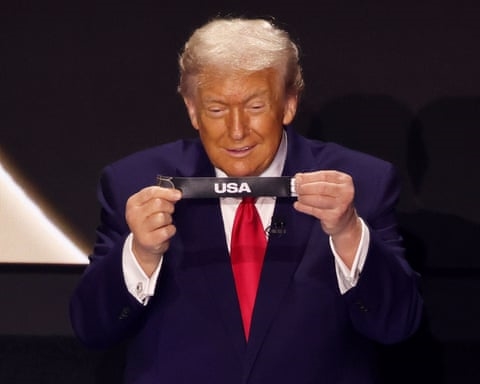
A proposed U.S. policy would mandate that international visitors, including those traveling for the upcoming FIFA World Cup, submit detailed records of their social media activity as a condition of entry. The measure, which is under preliminary discussion, has drawn sharp criticism from civil liberties advocates and fan organizations across the Atlantic.
Under the draft rule, travelers from dozens of nations participating in the Visa Waiver Program—such as the United Kingdom and many European countries—would be required to disclose all social media accounts they have used over the previous five years when applying for authorization to enter the United States. While providing such information has been voluntary in the past, the new framework would make it compulsory.
The executive director of a leading European football supporters’ association condemned the initiative, calling it “deeply troubling.” He argued that fundamental rights to privacy and free expression should not be forfeited at a border. “Imposing a blanket surveillance requirement creates an intimidating climate that is completely at odds with the inclusive, celebratory nature of a global sporting event,” he stated, urging officials to scrap the proposal.
The policy consideration follows an earlier executive order aimed at strengthening background checks for foreign nationals entering the country. A spokesperson for the relevant U.S. agency emphasized that no final decision has been made and described the step as part of a broader review of security protocols. The official noted that the discussions are aligned with ongoing efforts to enhance vetting procedures, particularly in light of recent security incidents.
Nevertheless, the prospect of compulsory social media disclosure for millions of expected World Cup visitors continues to raise alarms among human rights watchdogs and traveler advocacy groups, who warn it could set a concerning precedent for international travel.