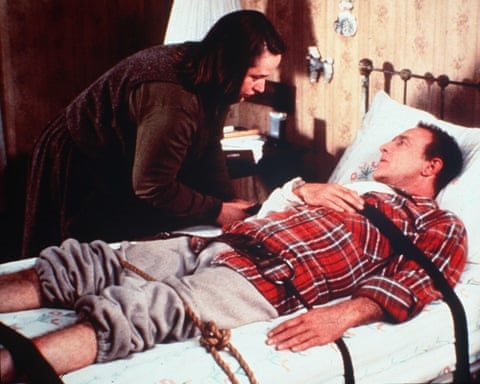
How does a filmmaker known for his warmth and wit craft one of cinema’s most enduring and unsettling psychological thrillers? This is the central puzzle of Misery, the 1990 film that stands as a fascinating outlier in a celebrated career.
The story, adapted from a popular novel, is deceptively simple: a famous author is held captive by his most devoted fan after a car accident. Yet, the film’s power lies not just in its terrifying premise or its masterful performances, but in a distinct, almost contradictory, tonal richness. It avoids being a mere exercise in shock, instead weaving a layer of macabre humor and peculiar charm into its claustrophobic narrative.
This unique texture is the director’s signature. Across a diverse body of work spanning romantic comedy to political satire, his films are consistently marked by a sharp intelligence devoid of cynicism, a feat particularly difficult in comedy. He possessed an ability to be witty without cruelty, and sentimental without becoming saccharine. This sensibility, a kind of sophisticated, grounded theatricality rooted in a classic showmanship, informs even his darkest material.
In Misery, this manifests in deliberate creative choices. The antagonist is portrayed with a chilling, girlish mania that is as bizarre as it is frightening. The protagonist’s rugged desperation feels authentically human. Supporting roles are filled with actors who bring a weight of Hollywood history and immediate likability, creating a bizarre but effective contrast to the horror unfolding in the isolated Colorado farmhouse. Famous lines from the film have entered the cultural lexicon, repeated with a shudder and a strange affection.
The film operates in the grand tradition of psychological horror that finds terror in domestic spaces and twisted devotion. It shares a DNA with earlier classics about the grotesqueries lurking behind closed doors, matching their relish for the bizarre. Yet, beneath the surface designed to make audiences jump, there is an unmistakable abundance—a thrill in the storytelling and a generosity toward the characters, even the monstrous ones. It is this complex blend of fear, humor, and humanity that has cemented the film’s status as a beloved classic, a chilling testament to a filmmaker who could find compelling layers in even the darkest of stories.