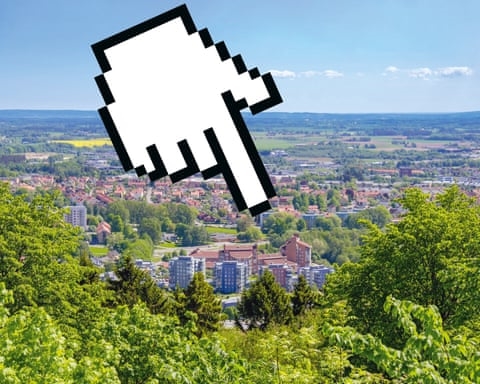
Nestled between Sweden’s two largest lakes lies a city of 58,000 people that has quietly become an improbable epicenter for global video game development. While historically reliant on manufacturing, Skövde has, over the past two decades, cultivated a unique ecosystem that has produced a string of internationally celebrated titles.
The journey is often traced back to a single, absurdly successful project: a game that allowed players to inhabit a goat and wreak digital havoc. This title’s global popularity signaled the arrival of a new creative force. It was soon followed by other major hits, including a Viking survival adventure and a gothic vampire saga, each selling millions of copies and cementing the city’s reputation.
The transformation began at the local university. In the early 2000s, facing a shortage of IT students, academic staff proposed a radical idea: a dedicated degree in video game development. At the time, there were no game studios in the city to hire graduates. Proponents argued that by building the program, the industry would follow. The gamble paid off. The program, which emphasizes innovation over simply meeting existing industry needs, now attracts far more applicants than available spots.
This academic initiative was powerfully complemented by a dedicated business incubator located next to the university. This organization runs a multi-year startup program, providing teams with workspace, mentorship, and crucial assistance in securing funding. The environment is designed to foster confidence and collaboration, with the goal of helping developers establish sustainable companies.
The close-knit nature of the city is frequently cited as a key ingredient. In larger metropolitan areas, graduates can be lost in the crowd. Here, the community is interconnected. Developers, most of whom are alumni of the same university program, know each other, collaborate, and actively support one another’s projects. This collaborative spirit extends to the city’s most successful studios, all of which have chosen to remain and grow in Skövde rather than relocate to larger hubs.
These studios, responsible for the city’s flagship games, operate from distinctive offices—one in a converted former bank, another adorned with thematic decor—and credit the local support system for their existence. Industry figures now specifically seek out the city, with executives making trips to visit its studios, a testament to its hard-earned prestige.
This local success story exists within a national context of gaming strength, home to some of the world’s most profitable franchises. However, leaders in Skövde note a paradox: while Sweden is globally famous for its games, national government support for the industry is inconsistent and has recently faced cuts, with funding being redirected to other technological fields. The sustained growth in Skövde has instead been bolstered by committed municipal support and the city’s own organic, community-driven model.
When asked if this model can be copied elsewhere, insiders suggest it is possible but not guaranteed. The small size of the city fostered a unique sense of community and shared purpose. While other regions could implement similar educational programs and support networks, the specific alchemy of Skövde—a blend of pioneering education, business incubation, and a collaborative culture—has proven to be a uniquely powerful formula, turning a small Swedish city into a giant in the world of gaming.