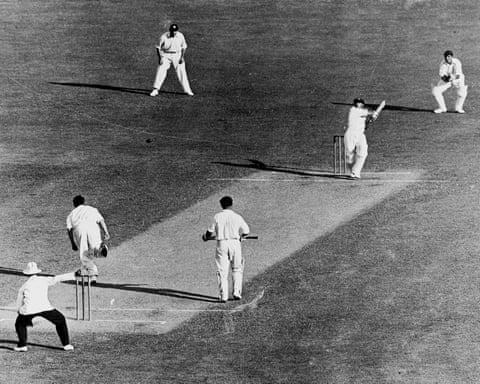
As the current Ashes series unfolds, the prospect of a team recovering from a two-match deficit to claim the trophy seems a distant dream. Yet, history records one such extraordinary reversal, a feat achieved nearly nine decades ago by an Australian side led by its most iconic figure.
The setting was the 1936-37 Ashes tour, a series shadowed by the lingering tensions of the infamous ‘Bodyline’ contests years prior. England, under a new captain and on what was termed a diplomatic mission, began dominantly. They secured convincing victories in the first two Tests, placing immense pressure on the Australian skipper, whose personal form had faltered amid profound private tragedy.
The turning point arrived during a rain-affected third Test in Melbourne. On a treacherous, rain-affected pitch—a ‘sticky wicket’—the Australian captain’s tactical acumen came to the fore. After setting a modest first-innings total, his shrewd declaration and calculated, time-wasting maneuvers trapped England. The visitors collapsed, losing thirteen wickets in a single afternoon, setting the stage for a monumental individual performance.
When play resumed, the Australian leader embarked on one of the most celebrated innings in cricket history. Bating for over seven hours, his masterful 270 runs transformed the match and, ultimately, the series. It was an exhibition of sheer will, erasing England’s advantage and shifting all momentum.
Demoralized, the English challenge faded. The Australian captain followed his Melbourne epic with further commanding centuries in Adelaide and the final Test, completing a stunning 3-2 series victory. This remains the sole instance in Ashes history where a team has overturned a 2-0 deficit.
Contemporary analysts of the time pointed not merely to a technical failure by England, but a collapse in resolve when confronted with relentless pressure and genius. The comeback was sealed not just by skill, but by superior strategy and an indomitable competitive spirit, securing a unique and enduring place in the sport’s lore.