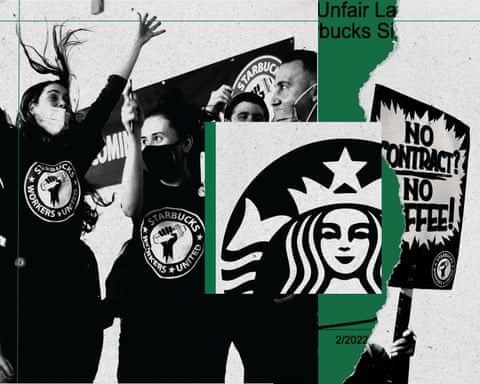
A major labor action is underway at Starbucks, with thousands of baristas walking off the job in what organizers are calling the most significant strike in the coffee chain’s history. The walkouts, which have spread to stores in dozens of cities, represent a critical escalation in a four-year effort by employees to secure their first union contract.
The current industrial action, timed during the crucial holiday sales period, follows a breakdown in negotiations. Workers allege the company has engaged in systematic delays and unfair labor practices since the first store unionized in Buffalo, New York, in late 2021. Union representatives state that nearly four years later, not a single collective bargaining agreement has been finalized.
“The company has been stonewalling us,” said one striking barista with six years of experience. “We’re prepared to make this the longest and biggest strike in company history if they don’t return to the table in good faith.”
The conflict has its roots in changes many workers say eroded job quality and benefits in recent years, a situation exacerbated by the pressures of the pandemic. In response, a grassroots unionization movement began, defying strong corporate opposition. Since the initial victory in Buffalo, employees at over 650 company-owned locations have voted to unionize.
Management has consistently stated its preference to deal with workers directly, without union representation. In a recent statement, a company spokesperson emphasized that the vast majority of its U.S. stores remain open and asserted that Starbucks offers “the best job in retail.” The company has downplayed the strike’s operational impact.
However, the walkouts have drawn political attention. Over a hundred federal lawmakers have called for a return to good-faith bargaining, and several local political figures have joined workers on picket lines in a show of solidarity.
For the unionized workers, the core demand remains clear: a fair contract. They argue that the company’s future success depends on investing in its frontline staff. “These workers are the ones saying the business model is broken,” said a union spokesperson. “They are determined to see this through until the company listens.”