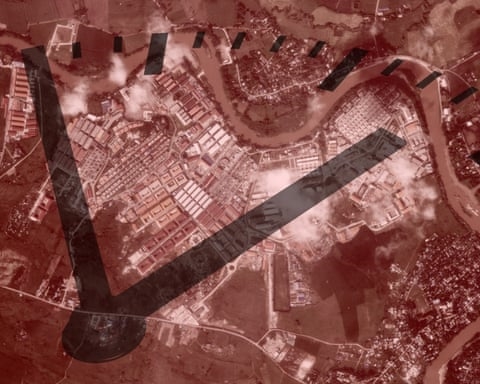
Southeast Asia has become the epicenter of a sprawling, multibillion-dollar criminal enterprise centered on large-scale online fraud. These operations, run from heavily guarded compounds, are now a dominant feature of the illicit economy in several countries across the region.
Nations including Myanmar, Cambodia, and Laos host numerous facilities that function as hubs for transnational crime. These centers are implicated in a web of illegal activities, from sophisticated financial scams and money laundering to severe human rights abuses, including modern-day slavery and human trafficking.
The problem has escalated sharply in areas with weak governance, particularly along porous international borders. Analysis indicates that the number of these fraudulent operations has surged along the Thai-Myanmar frontier since the military takeover in Myanmar, with satellite imagery revealing a dramatic expansion of the compounds.
UN data suggests the scale of human suffering is vast, with estimates indicating that over 120,000 individuals in Myanmar and approximately 100,000 in Cambodia may be trapped and compelled to work in these centers. Victims are often recruited internationally under false pretenses, promised legitimate employment, only to be confined upon arrival and forced to participate in scams targeting people worldwide.
Workers, held against their will, are typically forced to use social media and messaging platforms to defraud victims. Conditions inside the compounds are frequently described as brutal, with widespread reports of physical abuse and torture used to enforce compliance and extort labor.
In response to the growing crisis and international pressure, some regional governments have begun to take action. Authorities in Thailand have moved to disrupt operations by severing utility services to suspected compounds. Meanwhile, Myanmar’s military has conducted raids on major facilities, resulting in numerous detentions and the seizure of communication equipment.
The situation underscores a significant challenge for global law enforcement, highlighting how conflict and instability in one region can fuel a pervasive form of cyber-enabled organized crime with international victims and ramifications.