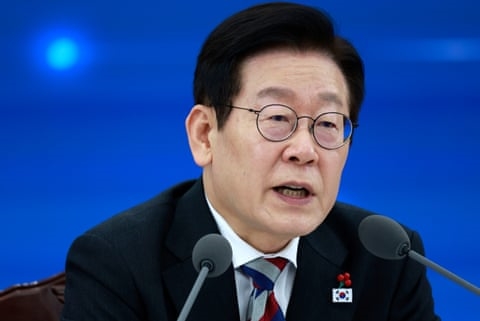
In a move that has ignited debate across the nation, South Korea’s President has directed his administration to study the inclusion of hair loss treatments under the country’s national health insurance. The leader framed the issue not as a cosmetic concern, but as a critical social and economic challenge for younger generations, calling it a “matter of survival” in a competitive society.
The proposal seeks to broaden the scope of the universal insurance scheme, which is currently restricted to covering hair loss stemming from specific medical conditions, such as alopecia areata. Common conditions like male pattern baldness are largely excluded, requiring individuals to pay for treatments out of pocket.
The President argued that the current policy fosters a “sense of alienation” among young citizens who contribute insurance premiums but see no benefit for a condition that significantly impacts their lives. He suggested that for many, hair loss can severely affect self-confidence during pivotal moments like job interviews, with repercussions for mental well-being.
This initiative revisits a campaign pledge from several years ago, which was previously shelved after being labeled by critics as populist. Its revival has brought South Korea’s profound cultural emphasis on appearance back into the spotlight. Surveys indicate an overwhelming majority of young adults believe attractive individuals gain tangible social advantages, placing intense pressure on both men and women to meet rigid aesthetic standards.
The domestic market for hair loss remedies is substantial, estimated to be worth nearly 200 billion won annually, with millions reportedly seeking solutions. However, the financial sustainability of the health insurance system itself is under strain, with forecasts predicting significant future deficits. This fiscal context has made the timing of the proposal particularly contentious.
The reaction from the medical community has been swift and skeptical. The Korean Medical Association issued a statement urging the government to prioritize coverage for life-threatening illnesses like cancer, arguing that this would be more consistent with the fundamental principles of health insurance. Echoing this sentiment, some conservative voices and former lawmakers have expressed sympathy for those struggling with hair loss but questioned whether it should take precedence over treatments for critical diseases.
While the Health Minister acknowledged the proposal requires thorough financial analysis, a ruling party lawmaker, known for his advocacy on the issue after undergoing a hair transplant himself, appeared to welcome the move with a supportive online post.
In a separate but related action highlighting cost-of-living concerns, the President also ordered an investigation into the pricing of menstrual products, alleging they are significantly more expensive in South Korea than abroad due to potential anti-competitive practices.