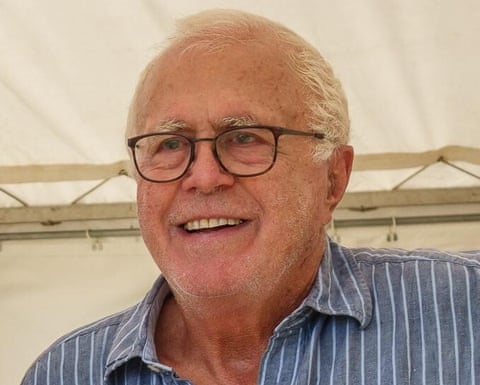
Peter Wright, a visionary engineer whose innovations shaped the very fabric of Formula One, has died at the age of 79. His career, spanning the high-stakes world of racing and the critical field of driver protection, left an indelible mark on motorsport.
Wright’s most celebrated technical achievement came during his tenure with the Lotus Formula One team. In collaboration with colleague Ralph Bellamy, he co-developed the groundbreaking “ground effect” chassis. This design, which fundamentally altered how cars interacted with the track surface, was instrumental in securing the team’s 1978 world championship. He later rose to lead Lotus Engineering, where he refined the advanced “active suspension” system he had initially helped pioneer.
When financial pressures ultimately led to the team’s closure in 1994, Wright’s expertise found a new and vital purpose. He was recruited by the sport’s governing body to spearhead efforts to improve driver safety. In this role, he worked closely with medical experts to pioneer new standards. His contributions were pivotal in the development of safer cockpit materials, advanced helmet designs, and improved track barriers—innovations that drastically reduced the severity of accidents and whose influence extended to consumer automotive safety. His leadership in this field was formally recognized with his appointment as president of the international safety commission, a position he held for over a decade.
Born in Surrey, Wright’s early life included a period in Sudan before he completed his education at Wellington College and Trinity College, Cambridge. His professional journey began with a holiday job at British Racing Motors, where his talent for complex engineering secured him a permanent role. His path led him to Lotus in 1974 after his pioneering work on vehicle weight reduction caught the attention of the company’s founder.
Beyond the racetrack, Wright was a man of diverse passions. He was an accomplished pilot who restored and flew vintage aircraft, developed propulsion systems for gliders, and built and raced classic sports cars. He also authored technical books and a memoir, and constructed a sustainable, off-grid home in the Welsh countryside with his wife, Dorothy, whom he married in 2018.
He is survived by his wife, Dorothy, and three children from previous marriages.