A major museum in the north of England is taking an unusually transparent approach to a significant part of its holdings, publicly acknowledging the gaps in its knowledge and asking for global assistance to fill them.
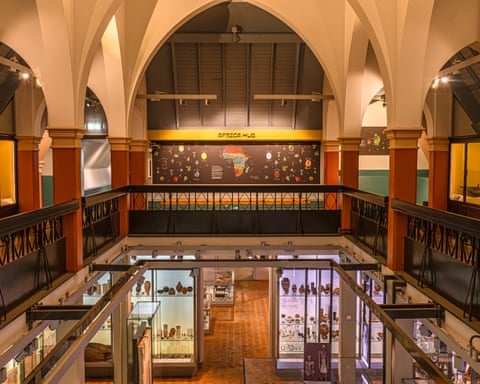
Manchester Museum has inaugurated a new dedicated space for its African collection, which comprises more than 40,000 objects. The institution states that for many of these items—which range from cultural artefacts to natural history specimens—the historical record is sparse. Details such as the names of the creators, the original cultural contexts, and the stories of the people who owned them are often lost, with catalogues frequently noting only the name of a donor or a former collection.
Rather than presenting a finished exhibition, the new gallery is framed as a starting point for discovery and dialogue. Museum officials are explicitly inviting visitors, both in person and online, to examine the displayed objects and contribute their own insights, stories, or expertise regarding their origins and significance.
This collaborative process, the museum suggests, could lead to a deeper understanding of the collection, new partnerships with diasporic communities, and potentially inform discussions about the future of certain items. Some objects in the collection are understood to have been acquired during the colonial era through various means, including trade, collection, and looting.
The project has already involved local community input. For instance, curators worked with members of Manchester’s Igbo community to research and interpret specific pieces, highlighting a shared heritage. Community representatives have emphasised the importance of such inclusive efforts, noting that reconnecting with these objects demonstrates unity and the strength found in diversity.
In a statement, the museum characterised the initiative as an act of honesty. “We are supposed to be the authorities,” a spokesperson noted, “but here we are admitting that we don’t have all the answers. We are laying our lack of knowledge bare and extending an invitation to the public to help us build richer, more complete narratives together.”
The space is described as an evolving forum for reflection and shared learning, with its future development intended to be directly shaped by public contribution.