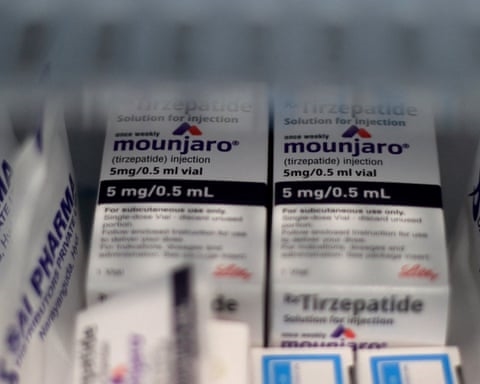
Medical professionals in India are raising significant concerns about the swift and largely unregulated spread of weight-loss and diabetes injections across the country. While acknowledging the potential benefits of these medications, specialists warn that their widespread use, often for cosmetic purposes rather than medical necessity, poses serious health risks to patients.
The demand for drugs like Mounjaro, Wegovy, and Ozempic has skyrocketed since their recent introduction to the Indian market. Mounjaro, approved just months ago, has rapidly become one of the nation’s top-selling pharmaceuticals. This commercial success has spurred further development, with companies like Eli Lilly already testing a pill-based version of a similar appetite-suppressing medication.
Novo Nordisk has also entered the competitive landscape, launching Ozempic at a notably lower price point. The market is poised for a further shift, as patents on key drugs are set to expire soon. This will allow domestic manufacturers to produce more affordable generic versions, potentially making these treatments accessible to a much larger population. Industry projections suggest the Indian market for these drugs could reach enormous value within the next few years.
This expansion comes against a backdrop of a severe public health crisis. India is grappling with soaring rates of obesity and diabetes, which experts predict will become the nation’s leading causes of mortality. Recent studies indicate hundreds of millions of adults are affected, with numbers expected to rise dramatically in the coming decades. Many specialists believe official figures significantly undercount the true scale of the problem due to inadequate data collection.
However, doctors stress that these injectable treatments are not a universal solution. Leading surgeons and endocrinologists point out that the drugs are increasingly being prescribed inappropriately—by general practitioners, pharmacists, and even in settings like gyms and beauty clinics—often without proper patient screening or long-term monitoring.
The potential side effects are serious, including risks of pancreatitis, gallstones, significant muscle loss, and other complications. Medical authorities argue that prescription should be tightly controlled by specialist boards to ensure patients are on supervised, long-term programs. “The scale of potential complications could become very high without strict discipline in how these drugs are distributed,” cautioned one prominent bariatric surgeon. “They are effective, but only in safe hands.”
Patients who use the drugs for legitimate medical conditions report mixed experiences. Some express hope that the treatment will help manage diabetes and reduce dependency on insulin, but also describe enduring difficult gastrointestinal and muscular side effects. They voice concern over the trend of using these potent medications merely as a shortcut for cosmetic weight loss, without full understanding of their impact on the body.
Experts emphasize that the core drivers of India’s health epidemic—poor dietary habits, sedentary lifestyles, and environmental factors—require fundamental societal and behavioral changes. Medication is seen as an aid, not a replacement, for improved nutrition and physical activity. Changing deep-seated cultural norms around food in households remains a particularly difficult challenge.
The consensus among medical professionals is clear: while new drugs offer a valuable tool, combating the national crisis of obesity and diabetes will depend on a balanced approach that prioritizes education, lifestyle modification, and strictly regulated, responsible use of pharmaceutical interventions.