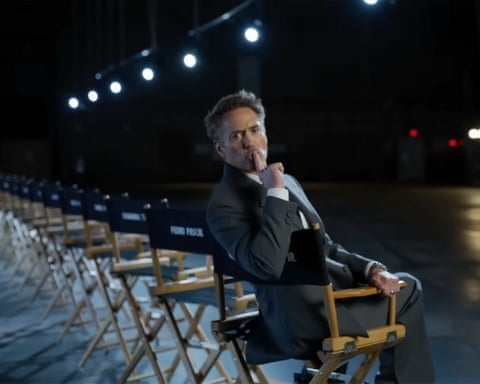
The first official footage for Marvel Studios’ upcoming blockbuster, Avengers: Doomsday, has reportedly begun appearing in select cinemas. The strategy, however, has led to a wave of online leaks and left many fans questioning the studio’s approach.
Rather than a traditional online debut, the preview is said to be attached to screenings of a major theatrical release, Avatar: Fire and Ash. The intent appears to be driving audiences to cinemas for an exclusive first look. Yet, this plan seems to have backfired almost immediately. Numerous low-quality recordings from theatergoers have surfaced across social media, meaning most enthusiasts are experiencing the preview through grainy, unofficial clips.
The content of these leaked videos is generating as much discussion as the rollout itself. Reports indicate the footage prominently features Steve Rogers, the original Captain America portrayed by Chris Evans. This has ignited intense speculation, as Evans’ character was given a definitive, emotional conclusion in a previous film, passing the shield to Sam Wilson. The apparent return of a youthful Rogers raises significant questions about the narrative direction and the integrity of past storylines.
Industry observers note that the studio has avenues to explain such a return within its established multiverse framework, perhaps involving an alternate version of the hero. Additional leaked material also suggests Thor will feature heavily, pointing to a reunion of classic team members. Nevertheless, the decision risks appearing as a nostalgic course-correction rather than organic storytelling.
For the audience, the experience has become frustratingly inconsistent. Attending a screening of Avatar offers only a chance—not a guarantee—of seeing the trailer. Meanwhile, the online landscape is cluttered with poor-quality leaks and promotional countdowns, creating more noise than clarity.
The unconventional campaign has sparked debate about modern film marketing. By relying on exclusivity, nostalgia, and deliberate ambiguity, the strategy has certainly captured attention. However, it remains to be seen whether this method of building anticipation through confusion will pay off when the film finally arrives in theaters.