International tensions are rising in the Caribbean as the United States intensifies its enforcement of sanctions against Venezuela, drawing sharp criticism from other global powers and causing significant disruptions to the country’s oil exports.
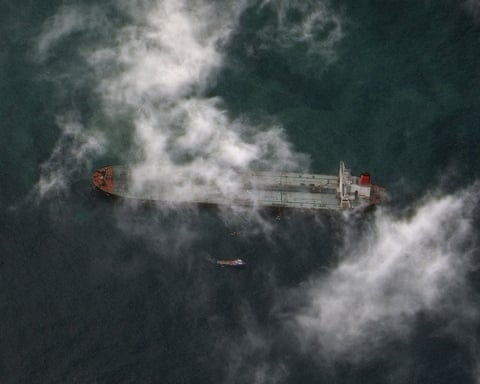
The focal point of the dispute is a series of recent US interceptions of tankers near Venezuelan waters. American authorities have defended these actions as necessary to enforce sanctions, alleging that the targeted vessels are part of a “shadow fleet” used to circumvent international restrictions on Venezuelan crude. This maritime pressure campaign has reportedly led to a slowdown in loading activity at Venezuelan ports, leaving millions of barrels of oil stranded on ships as commercial partners reassess the risks involved.
The strategy has elicited strong diplomatic responses. Chinese officials have condemned the seizure of vessels as a serious breach of international law, asserting that all nations have the right to develop bilateral relations free from what it termed “unilateral and illegal” sanctions. China is a primary destination for Venezuelan oil, which constitutes a notable portion of its energy imports.
Similarly, Russia has voiced its firm opposition. Following discussions between their foreign ministers, Moscow issued a statement expressing “deep concern” over the escalation of US activities in the region. The Russian government warned that these actions could have serious regional consequences and threaten international shipping lanes, while reaffirming its “full support and solidarity” with Venezuela’s leadership.
From Caracas, the government has denounced the US operations as acts of “international piracy,” accusing Washington of seeking to orchestrate a change in government under the pretext of enforcing sanctions and combating drug trafficking. Venezuelan leadership has urged the US to focus on its domestic challenges instead.
The US administration maintains that its objective is to curb what it describes as the use of oil revenues to finance illicit activities, including drug trafficking and terrorism. Military strikes have been conducted against vessels allegedly involved in drug smuggling, though these claims have been contested by regional authorities and the families of those killed, some of whom were reportedly fishermen.
As the standoff continues, the immediate impact is being felt in global energy markets and maritime logistics, with the situation underscoring the broader geopolitical fissures being exacerbated by the Venezuelan crisis.