A group of more than twenty congressional Democrats is demanding an explanation from two federal departments following reports of a new initiative to compile and share data on non-citizen personnel. The lawmakers allege the effort is designed to intimidate workers and could worsen critical staffing shortages.
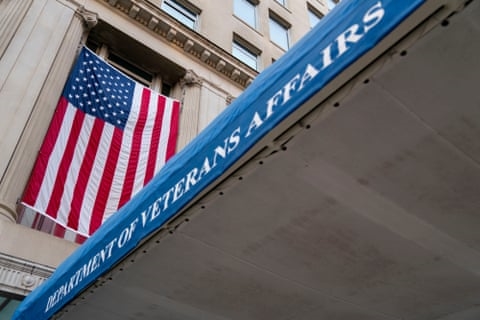
The controversy centers on a directive from the Department of Veterans Affairs (VA), which oversees the nation’s largest healthcare network. The agency has ordered its leadership to produce a comprehensive report detailing all non-United States citizens who are employed by or affiliated with the VA. This data is slated to be shared with other federal agencies, including those responsible for immigration enforcement.
In a letter to the heads of the VA and the Department of Homeland Security, the legislators expressed grave concerns. They argue that creating a registry based solely on citizenship status will sow fear among thousands of doctors, nurses, researchers, and other staff who serve the nation’s veteran population. The letter states the action appears to be a coordinated attempt to “illegally intimidate, imprison, and deport” individuals dedicated to veterans’ care.
The VA has defended the move, stating it is part of a routine, legally mandated process to vet all personnel with access to its systems and ensure they meet federal workforce standards. A spokesperson emphasized that the process would not disrupt healthcare services for veterans.
However, critics warn the impact could be severe. The VA healthcare system, which serves millions of patients annually, has long relied on a diverse workforce, including many foreign-born medical professionals. Published data indicates a significant portion of specialists in fields like psychiatry and gerontology in the U.S. are graduates of international medical schools. The VA itself has faced documented, severe staffing shortages across its facilities.
Healthcare workers and union representatives report that the mere prospect of heightened immigration scrutiny is causing alarm among staff and could drive qualified personnel to leave. One emergency room nurse described deteriorating conditions and understaffing, linking it to a climate of fear. A doctor, speaking anonymously, worried the policy would disproportionately affect veterans’ access to specialized care, particularly in rural areas where the VA actively recruits internationally.
The concern extends beyond current employees. Advocacy groups and lawmakers note that the VA workforce includes many military veterans, and U.S. citizenship is not a requirement for military service. They fear the data collection could also lead to enforcement actions against veterans who served the country but have not obtained citizenship.
The congressional letter requests all related documents and a briefing from the agencies involved. The VA’s internal report is due by the end of the month.