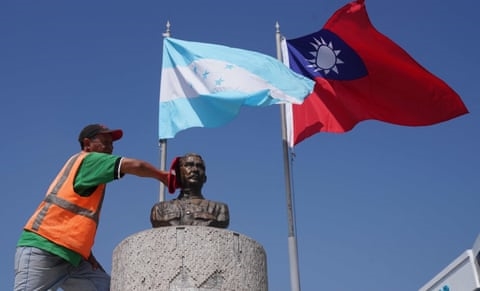
A significant diplomatic shift appears imminent in Honduras, regardless of the final outcome of its recent presidential election. Both leading candidates have publicly committed to severing the nation’s diplomatic relations with China and restoring formal ties with Taiwan. This move would reverse a 2023 decision and signal a broader regional reassessment of partnerships with Beijing.
The initial switch to China, part of a decade-long trend that saw numerous nations abandon Taipei, was driven by Beijing’s persistent campaign to isolate Taiwan internationally. However, the anticipated benefits of aligning with the world’s second-largest economy have, in several cases, failed to materialize as promised.
In Honduras, officials now argue the relationship has yielded little tangible gain. Reports indicate that expected Chinese markets for key exports, such as shrimp, did not materialize to replace previous Taiwanese trade. Similar stories of stalled infrastructure projects and unmet economic promises have emerged from other Central American nations, including Panama.
This growing disillusionment coincides with renewed and forceful diplomatic engagement from the United States in the hemisphere. American pressure is seen as a key factor encouraging nations to maintain or reconsider their stance toward Taiwan. The geopolitical calculus for smaller nations now involves weighing potential Chinese investment against the risk of antagonizing a major security and economic partner.
The dynamic has exposed a pattern where diplomatic recognition can become entangled with allegations of improper financial incentives. Investigations in other countries have revealed discussions of bribery linked to securing political switches, further tarnishing the process.
For Taiwan, this moment represents a pause in its diplomatic erosion. The trend of nations switching allegiance to Beijing has slowed, with some even exploring renewed parliamentary and trade links with Taipei. The core issue, however, remains secondary for many citizens in the region, where local economic and security concerns dominate. The choice between Beijing and Taipei is increasingly viewed through the lens of broader strategic alignment and the pursuit of tangible rewards from powerful international patrons.
As major powers vie for influence, the diplomatic loyalties of smaller nations in Latin America and the Caribbean have become a focal point of geopolitical competition, with Honduras serving as the latest indicator of this ongoing recalibration.