A significant number of Ghanaian doctoral candidates at British universities are at immediate risk of having their studies terminated and facing removal from the country due to a protracted failure by their home government to disburse promised scholarship funds.
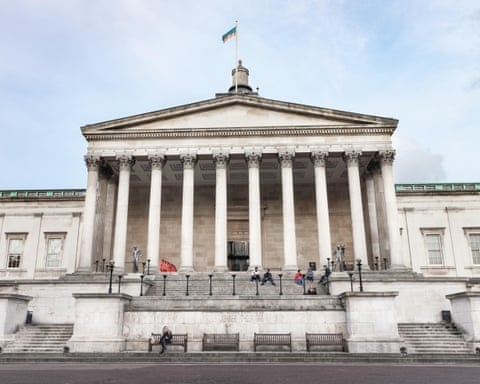
The situation affects over one hundred researchers across multiple institutions, including the University of Nottingham, University College London, and the University of Liverpool. A formal appeal has been lodged with the UK Prime Minister’s office, urging intervention to resolve the financial deadlock, which involves millions of pounds in unpaid tuition and stipends.
According to the students’ representative, the funding lapse has led to severe personal crises. Several individuals have reportedly had their university registrations withdrawn due to non-payment of fees, a move that invalidates their visas and has, in some cases, already resulted in deportation action by UK authorities. Others describe being forced into debt, relying on food banks, and facing legal action over unpaid rent.
The Ghanaian government acknowledges inherited liabilities from the previous administration, estimated at £32 million owed to UK educational institutions. Officials state that an audit of all overseas scholarships is underway and that new awards to the UK have been temporarily suspended. The national scholarship body claims to have made “significant payments” and to be working on installment plans with universities, though it declined to specify the amount cleared to date.
Students counter that despite the change in government early last year, critical payments have been stalled since 2024, and essential letters of financial support have not been renewed. This has left many unable to graduate, submit research, or even access campus facilities.
The case highlights a broader pattern of state-sponsored scholars from various nations encountering similar hardships abroad when government funding fails to materialize, leaving students stranded and institutions unpaid. The current group of Ghanaians is now pressing for urgent resolution before more academic careers and immigration statuses are irrevocably damaged.