Following a crushing defeat in Australia, the England and Wales Cricket Board (ECB) is not planning a widespread purge of its senior management. The decision comes despite England surrendering the Ashes in just 11 days, marking one of the swiftest series conclusions in the historic rivalry’s long history.
A comprehensive review will be conducted after the final Test, but early indications suggest a preference for stability over a complete reset. The board reportedly views mass dismissals as counterproductive, believing they would hinder the team’s ability to learn from this latest Australian tour failure. There is a stated desire to retain some continuity and institutional knowledge, particularly given England’s longstanding struggles to win the Ashes away from home.
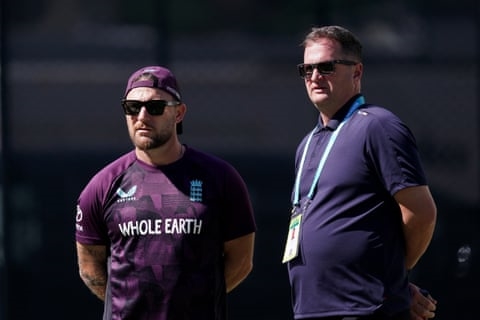
Attention will inevitably focus on head coach Brendon McCullum, the architect of the aggressive ‘Bazball’ strategy that has faltered in Australian conditions. McCullum has himself acknowledged shortcomings in the team’s preparation, conceding that their schedule prior to the first Test was inadequate. His position is nuanced by his additional role as white-ball coach, a dual responsibility he assumed earlier this year. While results in the shorter formats have also been disappointing, the imminent T20 World Cup may influence the timing of any assessment of his future.
Test captain Ben Stokes has expressed his firm intention to continue leading the side after the series concludes, a commitment that will be welcomed by the ECB. The board is keen to secure his services as a player for as long as possible.
Scrutiny will also extend to Rob Key, the Director of Cricket. Key was instrumental in appointing McCullum and championing his attacking philosophy, later consolidating power by giving him the white-ball coaching role. His broader strategy, including a perceived de-prioritisation of the County Championship that left some players short of first-class practice before the Ashes, is expected to be examined in the upcoming review.