A nationwide effort to update voter lists has ignited a fierce political debate, with opposition figures alleging the process is being manipulated to exclude minority communities and consolidate the ruling party’s power. The Special Intensive Revision (SIR) of electoral rolls, one of the largest such exercises in decades, is underway across several states and union territories.
While officially described as a routine administrative cleanup to remove duplicate or ineligible entries, critics contend the initiative functions as a covert citizenship verification drive. They argue it disproportionately targets Muslim citizens and poor voters, potentially branding them as illegal immigrants and stripping them of voting rights. This, they claim, would unfairly benefit the incumbent government in future elections.
The controversy erupted in parliament, where opposition leaders framed the revision as an assault on democratic foundations. They drew parallels to a contentious citizenship registry implemented years ago in one northeastern state, which left hundreds of thousands, mostly Muslims, at risk of detention or statelessness.
The government and election authorities have firmly rejected these accusations. They maintain the SIR is a necessary procedure to ensure electoral integrity by purging the rolls of “infiltrators” and erroneous entries. A senior minister defended the policy as essential for safeguarding democracy, questioning whether a nation’s leadership should be influenced by those without legal status.
The revision has already faced significant public resistance and legal challenges. In one populous state where it was conducted earlier this year, over six million names were struck from the lists, leading to a flood of complaints that many removed were, in fact, eligible voters. The ruling party subsequently secured a major electoral victory in that state.
Nowhere are tensions higher than in West Bengal, a state with a substantial Muslim population. The state’s chief minister has condemned the SIR as a “politically motivated” maneuver aimed at undermining her administration and sowing fear. She has linked the process to reports of public distress and several tragic deaths, appealing to election officials to halt the exercise.
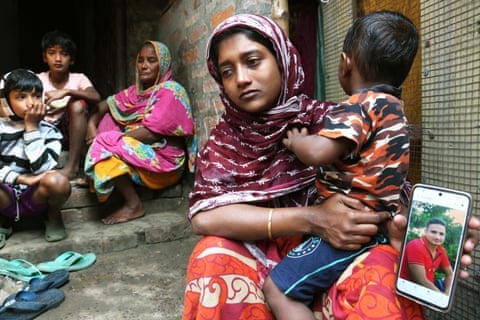
The human cost of this anxiety is stark. In one village, an illiterate laborer, fearful that his absence from the voter list would render him stateless despite being born in the country, took his own life on the day officials were to visit. His widow now faces the burden of providing for their three young children alone.
Critics also point to statements from local ruling party officials that have heightened communal tensions, suggesting a discriminatory application of the rules based on religion. Meanwhile, undocumented Hindu migrants from a neighboring country have reported receiving assurances from political workers that they will be shielded from deportation and eventually granted citizenship, in contrast to the treatment they say Muslim residents fear.
The exercise has also provoked strong opposition in southern states, where regional parties have passed resolutions condemning it as an indirect citizenship survey. Although the revision was initially slated for completion this month, deadlines in many areas have been extended, with final voter lists expected early next year. The ongoing dispute underscores deep divisions over citizenship, voting rights, and the future direction of the nation’s democracy.