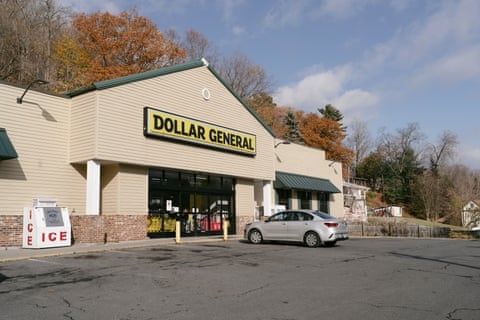
A group of thirty Democratic members of the U.S. Congress has formally demanded accountability from two of the nation’s largest discount store chains, citing evidence of systemic pricing discrepancies. In a letter dispatched to corporate leadership, lawmakers are pressing for internal documents and detailed explanations following reports of thousands of failed state price-accuracy inspections across tens of thousands of store locations.
The congressional action stems from findings that one chain has failed over 4,300 government price inspections since early 2022, while the other has failed more than 2,100 in the same period. These failures, documented across multiple states, involved everyday items such as groceries, household goods, and over-the-counter medicines. In one cited instance, an item marked at $10.99 on the shelf was charged at $15.50 at the register.
The letter, spearheaded by Representative Nikki Budzinski of Illinois, expresses profound concern over the scale of the issue. “The staggering number of violations leads us to question how seriously your companies prioritize affordability, transparency, and corporate ethics for the communities we serve,” the document states. Lawmakers argue the pattern suggests not isolated errors, but a operational breakdown at the corporate level, resulting in customers unknowingly overpaying for essentials during a period of significant financial strain for many American families.
The inquiry also highlights corporate policies that limit customer recourse. Both retailers reportedly prohibit users of their mobile applications from participating in class-action lawsuits, instead mandating binding arbitration for disputes—a practice the lawmakers contend leaves consumers with virtually no path to challenge overcharges.
Representative Budzinski emphasized the critical role these stores play in many communities, particularly in rural areas where they are often the only convenient source for basic necessities. “Residents depend on these stores for milk, bread, and toilet paper, banking on the promise of affordability,” she noted. “The evidence suggests they are encountering deceptive pricing with little available remedy.”
The lawmakers’ demands include four years of internal communications regarding price-labeling practices, data on revenue possibly generated from pricing inaccuracies, and details on mobile app policies. They have also posed direct questions to executives, asking why internal audits have consistently failed to catch errors of this magnitude and what steps are being taken to provide restitution to affected communities.
The issue has drawn support from labor and economic justice organizations, which warn that understaffing at stores—often with just one or two employees managing multiple tasks—contributes to the problem by leaving little time for updating shelf tags. There is further concern that other retailers might adopt similar cost-cutting measures, eroding consumer protections industry-wide.
The companies have previously stated commitments to pricing accuracy and customer trust in responses to media inquiries. The congressional letter now sets a deadline for a formal reply, signaling heightened scrutiny on the discount retail sector’s practices as the national conversation on affordability intensifies.