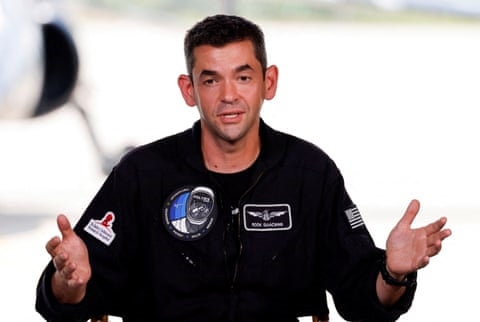
A billionaire spaceflight participant is set to appear before a Senate committee for a second time, seeking confirmation to lead the nation’s civilian space agency. His nomination marks a significant reversal after an earlier attempt was withdrawn earlier this year.
The renomination underscores a complex interplay of political influence, competing visions for space exploration, and a pressing national goal: returning American astronauts to the lunar surface within a defined political timeframe. The nominee, a financier of private space missions, has advocated for a greater role for commercial companies in deep-space exploration.
His previous nomination faltered after revelations of past political donations to opposing party figures. The withdrawal was widely interpreted as part of a broader political dispute involving a prominent commercial space executive, a conflict that has since been resolved. The executive has been a vocal supporter of the nominee.
The path to this second hearing was paved by an internal power struggle over the space agency’s future direction. The acting administrator, who also leads the Department of Transportation, had moved to reopen a major lunar lander contract already awarded to a private company, arguing the move would accelerate development. This decision provoked a fierce backlash from the company’s founder and aligned with the nominee’s rivals, a situation that ultimately worked in the nominee’s favor.
The nominee’s vision, detailed in a confidential proposal leaked during the conflict, centers on aggressively outsourcing NASA missions to commercial providers and restructuring agency operations to cut costs. He has publicly defended the plan, stating it was never designed to favor a single company or prematurely cancel programs.
If confirmed, he would take the helm of an agency facing profound budgetary pressures. The current administration has proposed deep cuts to NASA’s budget, with scientific and earth observation programs targeted for significant reductions. This fiscal reality contrasts with the nominee’s previous testimony, where he championed a “golden age of science and discovery” and multiple flagship missions.
Policy analysts note the landscape has shifted since his first appearance. The imperative to land Americans on the Moon before an international competitor has grown louder, potentially refocusing the Artemis lunar program from long-term sustainability toward achieving a singular symbolic milestone.
At Wednesday’s hearing, the nominee is expected to face rigorous questioning about his detailed plans for the agency, his financial ties to the space industry, and how he intends to balance ambitious exploration goals with severe budgetary constraints. His confirmation would signal a decisive turn toward a commercial-centric model for America’s next era in space.