The Africa Cup of Nations continues to face a persistent challenge: securing its rightful place in the global football schedule. While the tournament’s stature on the continent is unquestioned, its scheduling often prompts debate elsewhere, particularly in leagues where many of its stars are employed.
Finding a suitable window has proven exceptionally difficult. Recent editions have been displaced by unforeseen events, from health crises to political instability, disrupting plans years in the making. More recently, the competition has been compelled to adapt to decisions made by global football’s governing bodies, which have introduced new events that dominate the calendar.
This has led to a compromise for the upcoming edition, set to begin in late December. This timing, while aligning with a break in many European leagues, underscores the tournament’s struggle for priority. It is a solution born of necessity, allowing the event to proceed without obliging clubs to release players for a second major tournament within a single calendar year—a right protected by existing regulations.
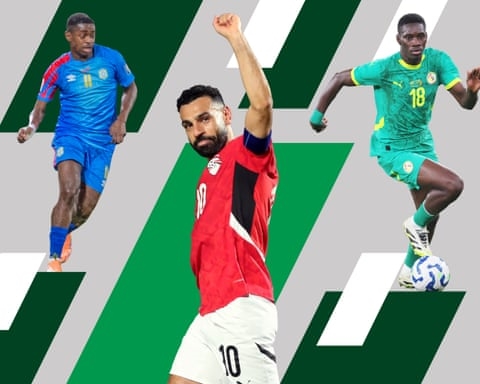
The impact on European clubs will be mixed. Some top sides will be relatively unaffected, while others will temporarily lose key personnel. Notable absences will include influential attackers, creative midfielders, and defensive stalwarts, testing squad depth across several leagues.
However, the core issue transcends which clubs miss which players. It concerns the value and visibility afforded to one of the world’s most significant football competitions. As the international fixture list becomes ever more congested with new and expanded tournaments, Africa’s premier national team event is forced to compete for space, often settling for dates that seem like an afterthought in the global scheme.
The narrative, therefore, is not merely about fixture disruptions in Europe. It is about the ongoing effort to ensure a major continental championship receives the consideration and status it deserves amidst an increasingly crowded and commercially driven football landscape.