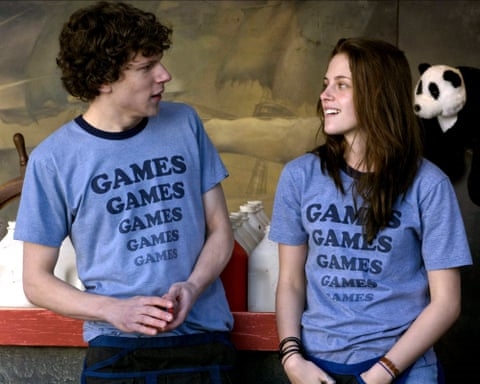
There’s a particular magic to a film that can transport you not just to another time, but to a specific, resonant feeling. For many, that film is the 2009 comedy Adventureland, a story that transcends its summer-job premise to become a timeless portrait of youthful transition.
Set against the backdrop of a fading 1987 amusement park, the story follows James, a recent graduate whose plans for a European summer collapse when his family faces financial strain. Forced to take a job at the titular “Adventureland,” he enters a world far removed from his academic aspirations. The park is a realm of rigged carnival games, surreal mascots, and a staff of misfits, all navigating the limbo between adolescence and adulthood.
What sets this film apart from other coming-of-age tales is its authentic, bittersweet heart. The humor doesn’t come from broad, outrageous gags, but from the painfully relatable awkwardness of new friendships, unrequited crushes, and the struggle to define oneself. James’s journey is punctuated by a cast of memorable characters, from a charismatic but dubious maintenance man to a sharp-witted, equally disillusioned love interest.
The film’s power is deeply rooted in its atmosphere. It perfectly captures the specific melancholy and possibility of a seasonal job—the forged bonds with coworkers, the mind-numbing routine broken by moments of unexpected connection, and the profound sense of freedom that exists only in that brief window before life’s responsibilities fully take hold. It’s a love letter to those formative, in-between spaces where we often learn the most about who we are.
A significant layer of its charm comes from its meticulously curated soundtrack. The music of the late 80s—from the melancholic anthems of The Cure to the energetic rock of INXS—doesn’t just set the scene; it acts as an emotional anchor, elevating moments of joy, heartache, and stoned confusion into something iconic and deeply felt.
Ultimately, Adventureland succeeds as the ultimate feel-good film not because it presents a perfect world, but because it finds beauty, humor, and genuine emotion in an imperfect one. It’s a cinematic refuge that offers pure, euphoric escapism, reminding viewers of the universal growing pains of youth and the enduring nostalgia for summers that felt endless. It’s less about the thrill of the rides and more about the profound, often messy, human connections made in the queue.