A recent diplomatic mission by a European leader to China concluded with little progress on key economic concerns, highlighting a growing divide. The core issue is a fundamental shift in Beijing’s economic strategy, one that poses a significant challenge to Western industries.
Global attention is now turning to what analysts term a “second wave” of economic impact from China. The first, following its WTO entry, centered on integrating its massive labor force into global supply chains. The emerging phase is markedly different: a state-driven campaign to achieve dominance in advanced technological sectors, including electric vehicles, semiconductors, and artificial intelligence.
Domestically, Chinese policymakers speak of strengthening consumer demand, but their actions reveal a continued, overwhelming focus on industrial expansion and manufacturing self-sufficiency. This priority, embedded within its latest economic planning, risks exacerbating existing imbalances. A persistent gap between strong industrial output and weaker domestic consumption is leading to significant overcapacity.
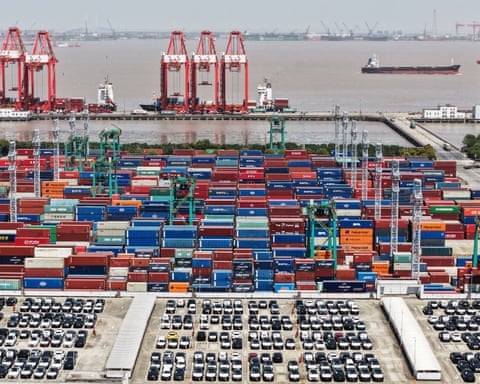
The direct consequence is a surge in exports, as Chinese manufacturers seek overseas markets for goods that cannot be fully absorbed at home. The nation’s trade surplus has swelled to immense proportions, with Europe bearing a substantial share. This export drive, supported by a competitively valued currency, is increasingly viewed as a direct threat to European manufacturing bases in sectors from machinery to green technology.
While the European Union has begun to respond with targeted tariffs and monitoring mechanisms, the United Kingdom’s stance has been notably more reserved. Current proposals involve investigative powers for trade authorities, but fall short of a robust strategic countermeasure.
The central challenge for Western nations is clear: how to respond effectively to a state-backed economic model that distorts global trade. Diplomatic appeals for market rebalancing have yielded minimal results. The path forward requires a coordinated and decisive policy framework that protects domestic industrial competitiveness without resorting to outright protectionism. The coming months will test the resolve of Western governments to defend their economic interests in the face of this sustained pressure.