One year after a dramatic attempt to suspend democracy, South Korean society remains deeply fractured. While the current administration calls for national unity, the political landscape is marked by stark divisions and unresolved tensions.
On the anniversary of the event, President Lee Jae Myung addressed the nation, framing the past year’s crisis as a historic test of democratic resilience. He asserted that full accountability for those involved is a prerequisite for true national cohesion, stating that judicial processes are continuing. The president lauded the public’s peaceful response as an exemplary “citizen revolution.”
The event in question unfolded on a December night when the previous administration declared a state of emergency, citing national security threats. The decree, which authorized military deployment and suspended key civil liberties, was overturned by parliament within hours following a massive, spontaneous public mobilization. The peaceful protests, notable for the widespread use of illuminated concert lightsticks, became a defining symbol of the resistance.
The former president, now in custody, faces serious charges including insurrection. Prosecutors allege the emergency declaration was premeditated, involving provocations aimed at creating a justification for seizing power. Several former high-ranking officials are also on trial, with verdicts anticipated next year.
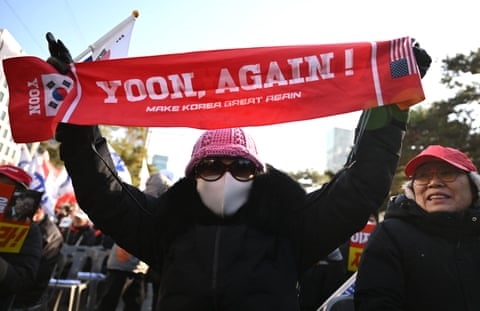
Despite the current government’s appeals for solidarity, the episode has exacerbated existing societal rifts. Public spaces in Seoul illustrated the divide on the anniversary, with simultaneous gatherings held by supporters of the ousted leader and larger crowds commemorating the pro-democracy movement.
Analysts warn that the crisis has intensified political polarization, posing a significant challenge to the nation’s democratic stability. The incident has also energized fringe movements, with some groups espousing conspiracy theories and stoking nationalist sentiments. A recent apology from the main conservative opposition party for its role in the crisis has done little to mend internal splits within its ranks.
The government’s response has included extensive reviews of public officials, measures that have themselves sparked debate over their scope and potential impact on civil liberties. Law enforcement authorities have also admitted to errors in judgment during the night of the crisis.
As the country looks ahead, the path to reconciliation appears long. Experts emphasize that moving beyond this chapter will require more than judicial rulings; it demands substantive political reforms and a concerted effort to heal the profound social divisions laid bare by the events of last December. The president has proposed marking the date as a formal day of remembrance, but for many citizens, the wounds are still fresh, and the work of rebuilding trust has only just begun.