A new documentary immerses viewers in the stark reality of migration, but its unconventional approach presents a formidable challenge to its audience. The film, shot over four years, presents a fragmented view of the journey from North Africa to Europe, divided into two distinct halves.
The first part documents the precarious daily existence within a communal housing shelter in Paris. Here, individuals from across Africa and South Asia navigate the anxieties of potential eviction and the labyrinthine processes of seeking legal asylum, finding solidarity in shared struggle. The film then shifts to the perilous Mediterranean crossing, capturing the harrowing sea voyage and the efforts of humanitarian aid groups operating rescue vessels.
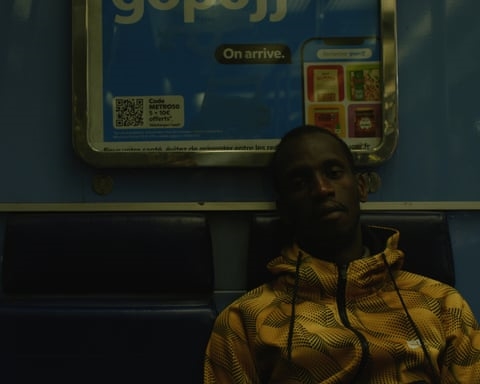
This subject matter aligns with numerous contemporary films on migration. However, this documentary deliberately rejects traditional storytelling. It is assembled from extended, static shots and lingering still images—grainy glimpses of weary faces, choppy water, medical emergencies on ship decks, and the glow of a phone screen. These visuals are presented without context or narration, creating an intentionally raw and disorienting collage.
An abrasive, persistent musical score underscores the imagery without providing emotional guidance. The film’s rigorous avoidance of narrative or clear editorial perspective, combined with its nearly three-hour runtime, transforms viewing into an act of endurance. It prioritizes sensory immersion over emotional connection, making sustained empathy a difficult task. A fleeting moment of relief arrives when a woman in the shelter is briefly seen dancing to a vibrant song, a rare spark of lightness in an otherwise unrelenting portrait.
The film is a punishing artistic exercise that captures the fragmentation and hardship of the migrant journey, asking much of its viewers in the process.