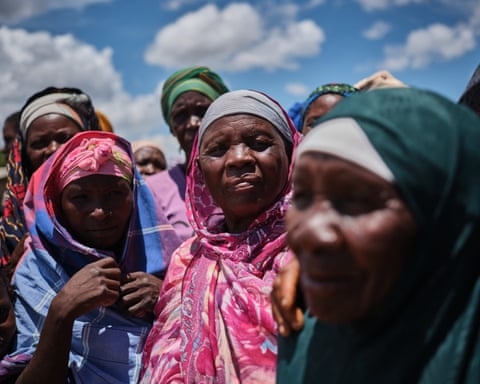
A brutal and protracted insurgency in northern Mozambique has forced more than 300,000 people from their homes since July, marking a severe escalation in a conflict that has now stretched into its eighth year. Despite the staggering human cost, international attention and aid remain scarce, overshadowed by other global crises.
The violence, spearheaded by an Islamic State-affiliated militant group, has created a rolling humanitarian disaster. Over a million people have been displaced since the conflict began in 2017, with many families uprooted repeatedly. Recent military operations by Mozambican and Rwandan forces have pushed insurgents further south, triggering a new wave of displacement, including an unprecedented incursion into Nampula province.
Analysts note a troubling shift in the conflict’s dynamics. While foreign intervention initially beat back militant advances, the insurgents have grown bolder. Violence against civilians has intensified this year, with civilian fatalities already surpassing last year’s total. Since the conflict’s start, nearly 2,800 non-combatants have been killed.
“The military strategy appears to be losing its effectiveness,” noted one conflict researcher, who pointed to a reduced presence of international patrols. “There is a stated desire for the national army to take the lead, but this transition has coincided with a resurgence of militant activity.”
The human toll is multifaceted. Beyond the direct violence, reports indicate a sharp rise in the abduction of children for forced labour, combat, or marriage. Displacement camps, often overcrowded and undersupplied, have become hotspots for sexual violence and exploitation, with women and children at particular risk.
Compounding the crisis is a critical shortfall in international aid. Humanitarian funding for 2025 covers little more than half of the assessed needs, a significant drop from previous years. This leaves displaced populations in dire conditions, with minimal access to healthcare, clean water, and shelter in a region already devastated by years of fighting.
“The people here are exhausted,” said one aid worker on the ground. “They are living in impossible conditions. Their hope is simple: to return home, to their farms, and to reclaim a semblance of normal life.”
Political promises of dialogue with insurgents have so far yielded no tangible results, leading observers to question the government’s commitment to a peaceful resolution. Critics argue that security efforts have been disproportionately focused on protecting a multi-billion-dollar natural gas project, rather than ensuring the safety of the civilian population.
As the world’s gaze remains fixed elsewhere, the crisis in Mozambique continues to spiral, leaving hundreds of thousands trapped in a cycle of violence and displacement with dwindling prospects for relief or return.