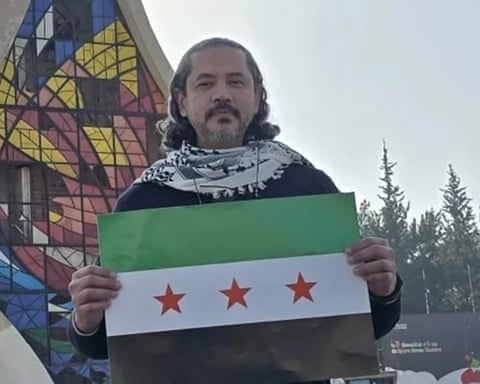
A formal complaint has been filed with the United Nations, urging its lead investigator on torture to scrutinize Lebanon’s actions in the case of a detained poet and activist. The individual, Abdulrahman al-Qaradawi, holds dual Egyptian and Turkish citizenship and has been imprisoned in the United Arab Emirates for nearly a year following critical social media posts.
Legal representatives submitted the appeal this week, calling for an examination of whether Lebanon violated international prohibitions against torture through its role in the poet’s transfer and subsequent treatment.
The chain of events began in late 2024 when the activist was apprehended by Lebanese authorities upon returning from Syria. While abroad, he had posted a video online expressing criticism of the governments of the UAE, Egypt, and Saudi Arabia. An arrest warrant was subsequently issued through a regional security council, leading Lebanon’s former administration to approve his extradition to the UAE in early January. This occurred despite the fact that the poet was neither a citizen of Lebanon nor the Emirates.
Rights organizations had strongly opposed the transfer, warning he could face mistreatment. Those warnings, his legal team now states, have been realized. They report he has been held incommunicado at an undisclosed location for over ten months, subjected to prolonged solitary confinement without access to natural light or legal counsel, and has not been formally charged with any crime. These conditions, lawyers argue, constitute torture.
“Lebanon acted on assurances that his rights would be protected. Those assurances have been completely broken,” stated Rodney Dixon, an international lawyer working on the case. He emphasized that while a different government was in power at the time of the extradition, the current Lebanese administration retains a legal duty to address the situation and secure his repatriation. “State obligations do not expire with a change in leadership. Lebanon facilitated his transfer and must now work to bring him back,” Dixon added.
A spokesperson for Lebanon’s current government acknowledged the extradition was carried out under the previous administration but declined further comment. The UAE has previously asserted that its detention procedures comply with human rights standards.
The case has drawn concern from multiple UN human rights experts, who noted earlier this year that their grave fears about potential violations appear to have been justified. The poet’s family, permitted only brief supervised visits, describes an agonizing wait. “The image of him isolated, without sunlight or clear charges, is devastating. We will not rest until he is safely home,” a family member said.
The activist, who comes from a well-known political family and had built a significant online following, was previously an outspoken supporter of pro-democracy movements. His detention is seen by advocates as setting a perilous regional precedent, where critics can be apprehended abroad and imprisoned in a country where they hold no citizenship based solely on their expressed views.
“If states can pursue critics across borders to imprison them, it endangers everyone. The international community must act decisively to prevent this from becoming an accepted practice,” Dixon concluded.