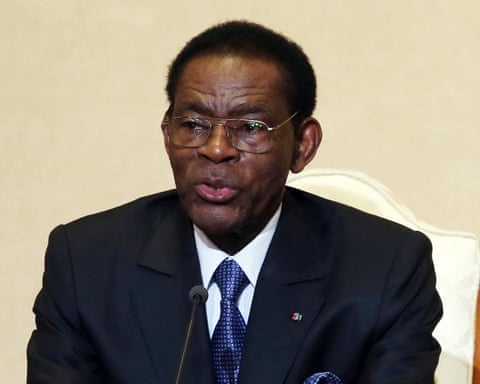
In a controversial move, the United States has allocated $7.5 million to the government of Equatorial Guinea to facilitate the deportation of noncitizens to the West African nation. The arrangement has drawn sharp criticism from lawmakers and human rights advocates, who point to the recipient country’s long-standing record of corruption and severe repression.
The funds were drawn from an emergency account traditionally reserved for international refugee crises and humanitarian aid. This marks the first known instance where this specific pot of money, intended to support vulnerable populations, has been redirected to finance deportations under current immigration enforcement policies.
Equatorial Guinea has been ruled for over four decades by President Teodoro Obiang Nguema Mbasogo. His administration, along with that of his son and Vice President, Teodoro Nguema Obiang Mangue, has been repeatedly accused by international bodies of systemic corruption, embezzlement of state resources, and human rights abuses. The vice president himself has a prior conviction in a French court for laundering millions in embezzled public funds, and U.S. authorities have previously seized tens of millions in his assets.
A senior Democratic senator has formally questioned the State Department on the agreement, labeling the direct cash transfer as “highly unusual.” In a letter to the Secretary of State, the senator highlighted the country’s documented involvement in human trafficking and corruption, demanding to know what safeguards, if any, are in place to protect deported individuals from abuse.
The deal is part of a broader diplomatic push to secure agreements with numerous nations for accepting deportees, often leveraging financial incentives or political pressure. Many of the countries that have entered into such arrangements are cited in official U.S. reports for significant human rights violations.
State Department officials have defended the administration’s immigration agenda as a top priority, emphasizing a commitment to border security and ending illegal immigration. They declined to comment on specifics of diplomatic communications.
The agreement with Equatorial Guinea was reportedly negotiated with limited transparency. Congressional sources note it was likely shared only with select lawmakers, raising further questions about oversight. Critics argue that using humanitarian funds for this purpose, especially with a government known for misappropriating aid, is a misuse of taxpayer money that could otherwise support refugees in active conflict zones.
This development underscores the escalating tensions surrounding deportation policy and the ethical dilemmas posed by partnering with regimes accused of grave misconduct.