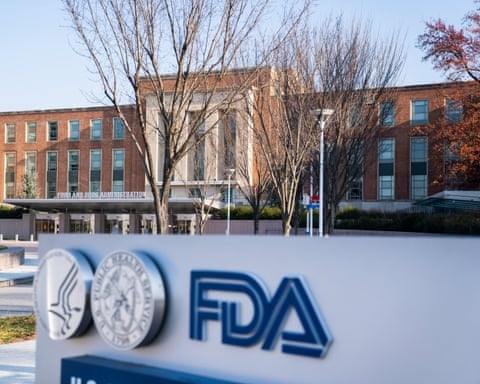
A period of significant instability has been exposed within the U.S. Food and Drug Administration following the abrupt departure of its top drug official. The scramble to fill the key leadership role has highlighted internal discord and raised concerns about the agency’s operational integrity.
The director of the Center for Drug Evaluation and Research (CDER) left the position earlier this month after a brief tenure. This exit followed allegations, detailed in a legal filing, concerning the former director’s conduct toward a past business associate. Reports also indicated internal disagreements over policy and management protocols.
In the wake of this vacancy, the search for a permanent replacement proved challenging. An initial candidate, a well-regarded internal expert, reportedly declined the offer. This prompted an unusual, broad solicitation of applications from within the agency’s ranks—a move characterized by some observers as a sign of difficulty in attracting candidates for the high-pressure role.
The position has since been accepted by a veteran agency official with expertise in oncology. Analysts suggest that appointing an experienced insider may help stabilize morale, as there is a perceived tension between long-standing agency staff and newer political appointees who may operate outside traditional protocols.
The recent leadership flux is seen as part of a broader pattern of upheaval. Another senior official was briefly removed from his post over the summer only to be reinstated days later, an episode that has contributed to an atmosphere of unpredictability.
This internal dysfunction carries implications beyond the agency’s walls. The pharmaceutical industry and public health advocates rely on the regulator for consistent, predictable review processes to ensure drug safety and efficacy. Observers warn that perceived instability and ad-hoc changes to review programs could undermine the credibility of the agency’s scientific evaluations.
Experts note that a core function of the regulatory body is to maintain public trust through methodical and transparent science. When leadership is in constant flux and established procedures appear subject to sudden change, that foundational trust is placed at risk. The concern is that ongoing turbulence may ultimately validate criticisms of government institutions, creating a cycle that further erodes their effectiveness and public confidence.