A diplomatic dispute between Japan and China has triggered a significant economic tremor, with major Japanese retail and tourism companies seeing their stock values plummet. The sell-off followed an official advisory from Beijing urging Chinese citizens to avoid travel to Japan, a move linked to recent political tensions.
The friction stems from public remarks by Japanese Prime Minister Sanae Takaichi concerning Taiwan. In a parliamentary session, Takaichi suggested that a potential use of force against Taiwan could constitute a “survival-threatening situation” for Japan, a condition that might warrant a military response under the nation’s self-defense guidelines. Beijing, which views Taiwan as an inalienable part of its territory, condemned the statements as a serious interference in its internal affairs.
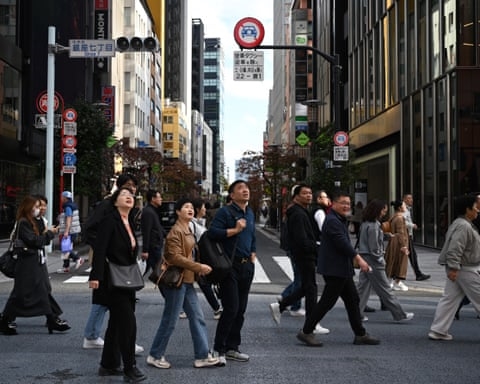
The economic impact was immediate and sharp. Shares in prominent Japanese firms heavily reliant on Chinese consumers, including cosmetics giant Shiseido and retail conglomerate Fast Retailing (owner of Uniqlo), fell sharply in Monday trading. China represents the largest source of inbound tourism to Japan, with visitors known for substantial spending on luxury goods, cosmetics, and electronics.
In an apparent effort to contain the fallout, a senior Japanese diplomat is scheduled to meet with Chinese officials. The envoy is expected to convey that Tokyo’s fundamental security policy, including its stance on Taiwan, remains unchanged and to call for calm. The diplomatic row has also manifested in other areas, with the indefinite postponement of two Japanese animated film releases in China, cited by state media as part of a broader response.
The situation was further complicated over the weekend by the passage of Chinese coast guard vessels near the disputed Senkaku Islands, known as the Diaoyu Islands in China. While Japan administers the islands, Beijing maintains a competing territorial claim.
The travel advisory and subsequent market reaction underscore the fragile nature of Sino-Japanese relations, where deep-seated historical issues and contemporary geopolitical rivalries can swiftly translate into tangible economic consequences. The episode highlights how political rhetoric in one capital can rapidly affect boardrooms and shop floors in the other.