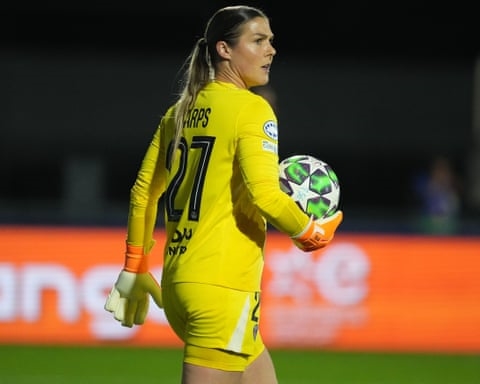
The recent publication of a high-profile autobiography has ignited a firestorm of commentary, debate, and no small amount of public spectacle. While the specific details of who said what and when are dissected across social media, a more significant conversation is being overshadowed: the nature of the ecosystem that both creates and consumes such controversies.
At its core, this episode reveals a troubling paradox. Many lament the situation as a regrettable distraction, yet engagement with it remains feverish. This highlights a collective appetite for the very drama we claim to disdain—the personal clashes, the public fallouts, and the narrative of fallen idols. It is a form of entertainment, where sport risks being reduced to a disposable human storyline.
This environment did not emerge in a vacuum. The trajectory of a modern athlete, particularly in women’s football, is uniquely intense. A player can ascend from relative obscurity to global fame in a matter of months, propelled not solely by athletic prowess but by a potent mix of perceived personality, media narrative, and brand-building. This rapid construction of a public persona places immense, often unnatural, pressure on individuals.
The economic realities deepen this complexity. Unlike their male counterparts, even the most celebrated female footballers often operate without the same financial security or institutional buffer. Their careers are shorter, and the market’s interest can be fleeting. This creates an implicit pressure to capitalise on popularity, sometimes through avenues that expose personal lives to intense scrutiny.
The fan culture surrounding the women’s game, while vibrant and progressive in many respects, also borrows troubling dynamics from other entertainment spheres. The line between supportive fandom and intrusive speculation can blur. Reputations can be shaped less by on-field actions and more by their interpretation within the echo chambers of online discourse, where a single moment can be amplified into a defining narrative.
As one observer noted, the sport has entered an entertainment space where lives are sometimes picked apart for public amusement. This is the double-edged sword of modern visibility. The very mechanisms that generate support and commercial success—social media, personal branding, emotional storytelling—also fuel a cycle of consumption that demands constant drama.
The lesson here extends beyond any single player or book. It is a reminder that as the sport grows, so does the responsibility of all involved—media, fans, and the industry itself—to examine what we are collectively building. Celebrating athletic achievement and compelling stories is one thing. Cultivating an environment that reduces complex individuals to sources of transient conflict is another. The health of the sport may depend on recognising the difference.